


Table of Contents
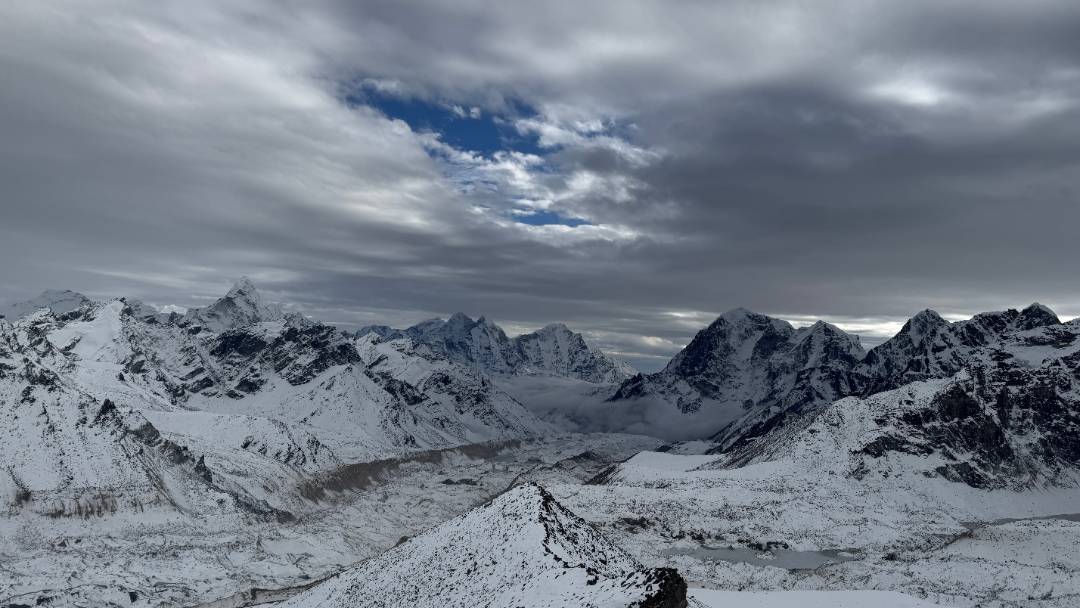
Yes, EBC is worth it, without question. Everest Base Camp is situated at a height of 5,364 m in the Khumbu region of Nepal, right below the world’s highest mountain, Mount Eveerst (8,848.86 m). The trek offers nonstop Himalayan views of Everest, Lhotse, Nuptse, Ama Dablam, and the Khumbu Glacier. It brings together real physical effort and a special chance to explore one of the most extreme landscapes on Earth.
Beyond the numbers, the journey gives an experience that photos cannot explain. You walk past Sherpa villages, cross the highest suspension bridges (the Hillary Suspension Bridge), and spend nights in high-altitude lodges where oxygen is low, but local stories are rich. With over 30,000 trekkers visiting EBC each year, the real value comes not just from reaching it, but from how the slow climb teaches patience, builds mental strength, and leaves you feeling proud.
Overview of the Everest Base Camp Trek
The Everest Base Camp Trek is a 130 km round trip that starts from Lukla and takes about 12 to 14 days to complete. This time includes planned rest days to help the body adjust to high altitude. Trekkers walk 10 to 15 km each day and spend 5 to 7 hours on the trail. The highest point is Kala Patthar (5,545 m), which offers the best sunrise view of Mount Everest.
As of 2026, foreign trekkers must hire a licensed local guide, and solo trekking is no longer allowed. Required permits include the Sagarmatha National Park Permit and the Khumbu Pasang Lhamu Rural Municipality Permit, with a possible NPR 1,000 green fee for waste control. Travel insurance that covers helicopter rescue above 4,000 m is now mandatory, and most flights to Lukla operate from Ramechhap during busy seasons to manage air traffic.
The trek does not require climbing skills, but it is physically challenging because of the altitude. Teahouses on the route provide simple, comfortable stays, with heating, solar power, and paid Wi-Fi available. Spring and autumn are the best seasons because of stable weather and clear views. Proper preparation with regular walking and cardio training for at least 3 months helps trekkers complete the journey safely.
From Scenic Route to Tibetan Buddhism Culture: Experiences Along the Everest Base Camp Trek
The Everest Base Camp Trek offers more than mountain views. It begins with a short flight to Lukla Airport (2,860 m), and then enters Sagarmatha National Park, a UNESCO World Heritage Site that covers 1,148 sq km. Wildlife such as Himalayan tahr and musk deer can still be seen in remote sections of the park. As the trek moves higher, green valleys turn into rocky ground near the Khumbu Glacier (17 km), the longest glacier in Nepal.
Culture becomes just as powerful as the scenery. The route passes Sherpa villages like Namche Bazaar, Khumjung, Pangboche, and Dingboche, where stone houses and prayer flags reflect a mountain way of life. Monasteries such as Pangboche and Tengboche Monastery (Dawa Choling Gompa), the largest in the Khumbu region, serve as a spiritual center for locals. Monks follow daily prayer routines that have remained unchanged for generations.
Buddhist symbols appear throughout the trek. Long Mani walls and white dome-shaped chortens (stupas) guide the trail and welcome you after each climb. The Sherpa Culture Museum or the Sagarmatha National Park Visitor Center in Namche Bazaar further explains the history and mountaineering heritage of the region.
Iconic Viewpoints and Mountain Views Along the EBC Trek Route
- Kala Patthar (5,545 m): This is the highest point reached by most trekkers on the Everest Base Camp route. It offers a sunrise view of Mount Everest, Lhotse, Nuptse, Pumori, and the Khumbu Icefall.
- Tengboche Monastery Viewpoint (3,867 m): Ama Dablam stands directly in front, with Everest, Lhotse, Nuptse, and Thamserku behind it. The view is eye-catching in clear afternoon light.
- Everest Viewpoint near Namche (3,880 m): This is the first place where trekkers see Mount Everest clearly. The viewpoint looks across the Khumbu Valley toward Everest, Lhotse, Nuptse, and Ama Dablam.
- Nangkartshang Peak (5,083 m): This viewpoint is reached during an acclimatization hike from Dingboche. It offers wide views of the Imja Valley, Island Peak, Makalu, and Ama Dablam.
- Gorakshep and Khumbu Glacier Area (5,164 m): From Gorakshep, trekkers can see the surface of the Khumbu Glacier, Lhotse, and the big wall of Nuptse as well.
Understanding the True Challenges of the EBC Trek
The Everest Base Camp Trek is challenging mainly because of the high altitude. At 5,364 m, oxygen levels drop to about half of what the body gets at sea level. Simple tasks like tying boots or packing a bag feel exhausting. Studies show that 50 to 75% of trekkers experience some form of altitude sickness. Common signs include headache and nausea. Many trekkers also develop the Khumbu cough, caused by breathing cold and dry air for long hours.
Physical effort adds to the difficulty. Trekkers walk for 12 to 14 days and spend5 to 8 hrs on the trail each day. Fatigue builds up slowly and becomes stronger after the first week. Cold is another challenge where night temperatures often fall to -10°C or lower in places like Gorakshep.
Mental strength is just as important. Rooms are unheated, and showers are limited in higher villages. Toilets are basic and shared. The daily routine stays the same for many days, which can feel repetitive. Trekkers who prepare mentally can handle these challenges better.
High Altitude Lodging & Fooding Options
As you gain altitude on the Everest Base Camp trek, accommodation and food prices rise sharply because supplies must be carried by porters or flown in by helicopter. Bathrooms are shared, hot showers and charging or Wi-Fi services cost extra. Rooms cost USD 5 to 15 per night, and luxury lodges are limited to lower villages like Lukla, Namche Bazaar, and Dingboche. Above these villages, accommodation is mainly in family-run teahouses. For the food choices available in the lodges, here is a clear table.
| Category | Common Options | Price Range (Low to High Alt) |
| Main Meals | Dal Bhat (Lentil soup, rice, curry), Momos (dumplings), Sherpa Stew, Pasta, Fried Rice. | USD 6 – 18 per meal |
| Breakfast | Porridge, Eggs (boiled/omelet), Tibetan Bread, Pancakes, Muesli. | USD 5 – 12 per meal |
| Beverages | Masala Tea, Ginger Lemon Honey, Garlic Soup (good for altitude), and Coffee. | USD 2 – 6 per cup |
| Water | Boiled water or purified tap water. | USD 1 – 4 per liter |
Seasonal Crowds on the Everest Base Camp Trail
The crowd on the Everest Base Camp trail changes with the season. In 2026, total visitors are expected to range between 35,000 and 50,000 trekkers each year. Nearly 75% of them arrive during spring and autumn. Winter and monsoon months see far fewer trekkers but come with their own challenges.
October is the busiest month on the trail. It alone accounts for about 42% of annual visitors. Records show nearly 9,000 trekkers walked the route in a single month. April follows closely and contributes around 31% of yearly traffic. On peak days in spring, park entry points have recorded nearly 700 arrivals per day. Teahouses often reach full capacity during this season.
Crowds drop sharply outside peak seasons. Winter months from December to February see fewer than 50 trekkers per day. Cold temperatures force many lodges above Dingboche to close. The monsoon season from June to August is even quieter. Some weeks see fewer than10 trekkers per day. Trails feel empty, and flights to Lukla often face delays due to fog and rain.
Elevation Gain During EBC Trek
The Everest Base Camp trek involves slow elevation gain followed by a gradual descent. The route is designed to help the body acclimate through planned rest days. Here is a clear table showing the elevation gain for each day of the 14-day trek.
| Day | Route | Starting Elevation (m) | Ending Elevation (m) | Elevation Change |
| 1 | Drive from Kathmandu to Manthali, flight to Lukla, and trek to Phakding | 1,324 | 2,650 | +2,176 |
| 2 | Phakding to Namche Bazaar | 2,650 | 3,440 | +790 |
| 3 | Acclimatization at Namche Bazaar | 3,440 | 3,440 | No change |
| 4 | Namche Bazaar to Tengboche | 3,440 | 3,855 | +415 |
| 5 | Tengboche to Dingboche | 3,855 | 4,360 | +505 |
| 6 | Acclimatization at Dingboche | 4,360 | 4,360 | No change |
| 7 | Dingboche to Lobuche | 4,360 | 4,930 | +570 |
| 8 | Lobuche to EBC and Gorakshep | 4,930 | 5,364 / 5,185 | -255 |
| 9 | Kala Patthar and trek to Pheriche | 5,185 | 5,555 / 4,250 | +370 / -935 |
| 10 | Pheriche to Tengboche | 4,250 | 3,855 | -395 |
| 11 | Tengboche to Namche Bazaar | 3,855 | 3,440 | -415 |
| 12 | Namche Bazaar to Phakding | 3,440 | 2,650 | -790 |
| 13 | Phakding to Lukla | 2,650 | 2,860 | +210 |
| 14 | Fly back to Kathmandu | 2,860 | 1,324 | -1,536 |
Who Might Find the Everest Base Camp Trek Less Suitable?
The Everest Base Camp trek is not suitable for everyone. The lack of oxygen at high altitudes puts a lot of pressure on the heart and lungs. Trekkers with heart disease, severe asthma, COPD, or other chronic respiratory conditions are strongly advised to consult a doctor before attempting the trek, as the thin air can worsen these issues.
People who have previously suffered from severe forms of altitude sickness (HAPE or HACE) have a higher chance of facing the same problem again. The trail is long and rugged with sharp ascents and descents. Trekkers with joint problems (knees, hips) or mobility limitations may find the daily walking painful.
Time is another main factor. A safe itinerary needs 12 to 14 days with planned rest days for acclimatization. Shortening the trek increases health risks. Flights to Lukla are often delayed due to weather. So, without two to three extra buffer days, tight schedules can cause missed connections and unnecessary stress.
Cost of the Everest Base Camp Trek
USD 950 to 1,200 is the price for a 14-day guided Everest Base Camp trek in 2026. This cost includes domestic flights to Lukla, trekking permits, a licensed guide, meals, and teahouse lodging during the trek. It does not cover personal gear, tips, snacks, hot showers, or Wi-Fi. Prices stay lower with local operators because labor and logistics are managed within Nepal.
The full trip cost rises once all expenses are added. International flights often cost USD 600 to 1,200. A 30-day Nepal visa costs USD 50. Mandatory travel insurance with helicopter rescue coverage costs USD 100 to 200. Trekking gear can cost USD 50 if rented or USD 500 or more if bought new. Extra trail expenses such as charging, showers, snacks, and tips add USD 300 to 500.
Final Verdict
This trek is worth it for people who want a true mountain experience. It provides stunning views of Mount Everest and insight into Sherpa culture. It tests patience and builds confidence. It is not about luxury, it is about effort and meaning. If you plan well and give yourself enough time, the journey becomes safe and fulfilling. The mountains will challenge you, but they will also stay with you long after the trek ends.


