12 Days Everest Base Camp Trek

12 Days Everest Base Camp Trek Facts

Starting/Ending Point

Kathmandu / Kathmandu

Duration

12 Days

Max. Altitude

5,545 m / 18,192 ft (Kalapatthar)

Accommodation

Teahouse, Hotel, Lodge

Best Season

February, March, April, May, June, September, October, November, and December

Group Size

1 - 20

Meals Included

Breakfast , Lunch and Dinner

Difficulty

Moderate to challenging

Activity

Trekking in Nepal

Trek Duration

5-7 hours

Nature Of Trek

Teahouse trekking

Transportation

Domestic Flight

What to Expect on 12 Days EBC Trek 

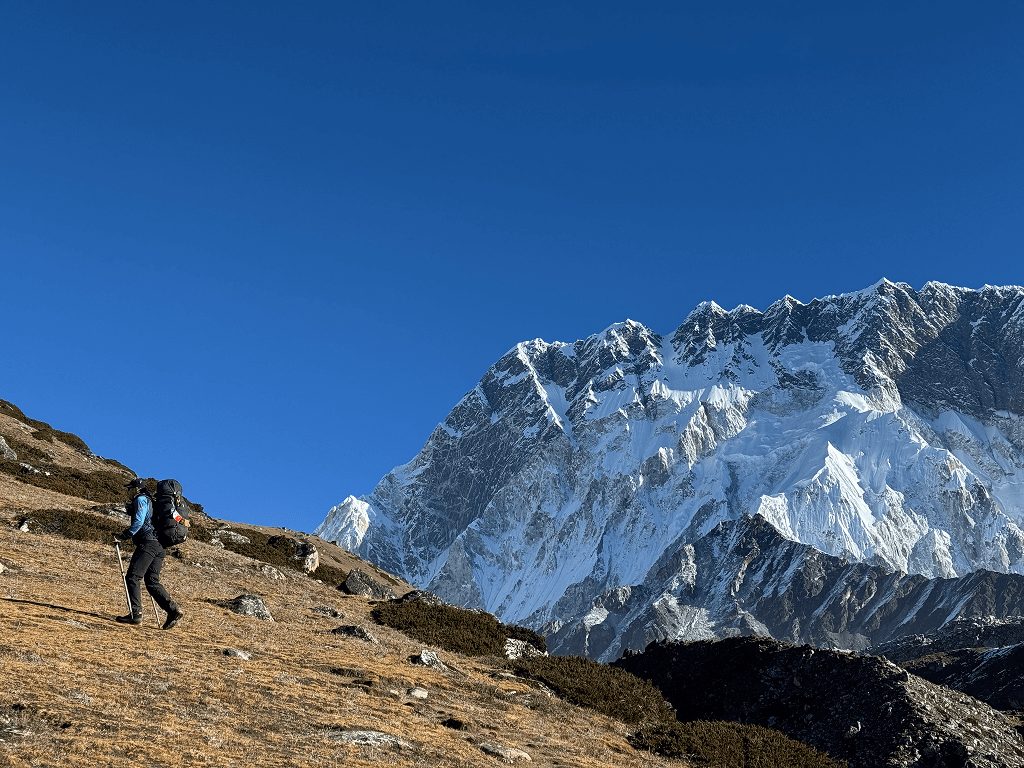
The Everest Base Camp Trek is among the most popular treks in the world. One of the major attractions is the chance to reach the base of the iconic Mt. Everest (8,848 m), the world’s highest mountain. Trekkers from all over the world, when they have the chance, wish to trek to EBC. Many people still think it is just a scenic hike, but after experiencing it, you will find it’s a combination of high altitude, beautiful landscape, and Sherpa cultural history.

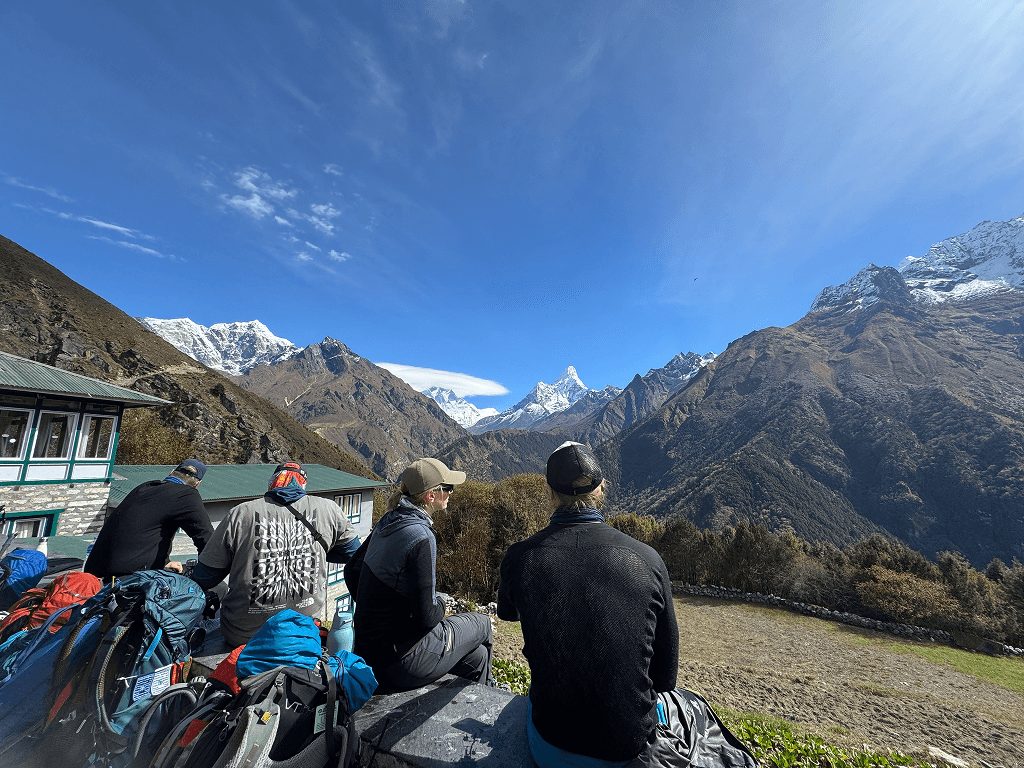
In this 12-day EBC trek, you will pass through some important places and settlements like Lukla, Phakding, Namche, Tengboche, Everest Base Camp, Gorak Shep, and Kala Patthar. Other than majestic views of the surrounding Khumbu mountains, another major highlight of the EBC trek is the chance to meet and engage with Sherpa culture. You will see mani walls, chortens, and visit old monasteries in Tengboche and Pangboche, where you will learn about their significance.

The 12-day EBC trek is a shorter version of the classic EBC trek. This is ideal for trekkers with limited time, but who still want to embrace the Khumbu atmosphere. Despite being a shorter trek, the itinerary still includes two days of acclimatization to help reduce the risk of altitude sickness. So if you are interested, please keep engaging with the content below.

Why Trekkers Choose 12 Days Trek to Everest Base Camp

  • Enjoy beautiful views of Mount Everest, Lhotse, and Ama Dablam
  • Witness a stunning sunrise from the Kala Patthar vantage point.
  • Visit Sherpa villages such as Namche Bazaar, Dingboche, and Tengboche Monastery.
  • Explore Sagarmatha National Park.
  • Acclimatize with side hikes like Nakarsang Hill or the Everest View Hotel.
  • Embrace peaceful morning prayers at Tengboche Monastery
  • Enjoy a scenic yet thrilling flight to Tenzing-Hillary Airport.
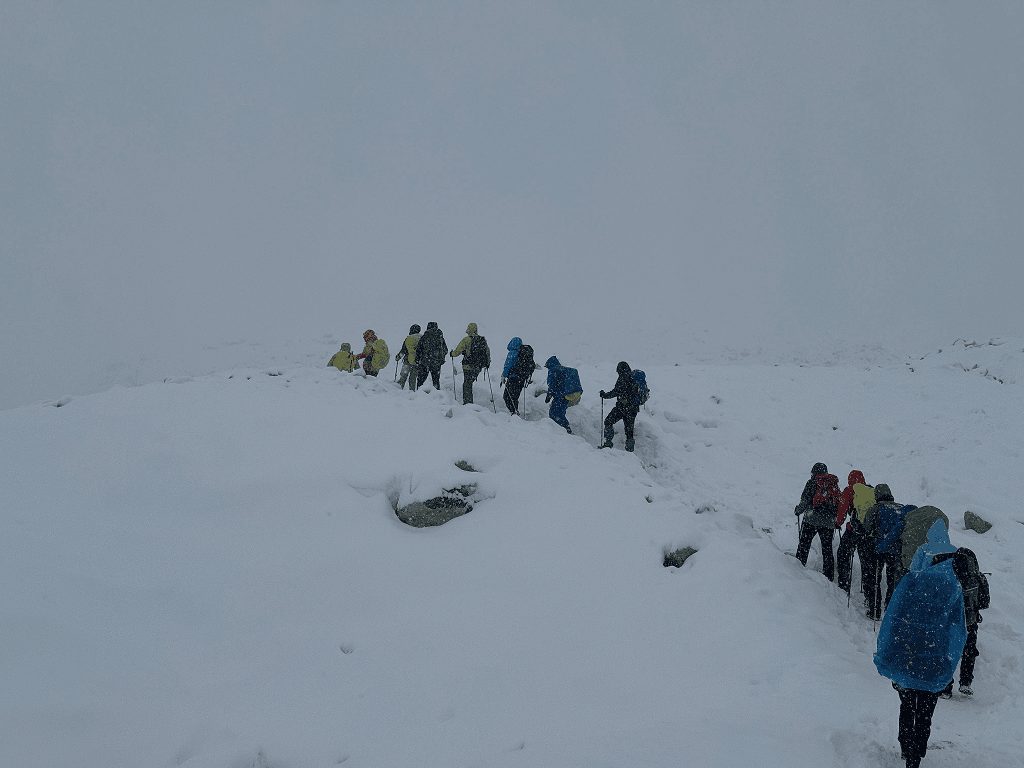
  • Walk over the extraordinary Khumbu Glacier and icy paths.

Altitude Breakdown of 12 days Everest Base Camp Trek

Day-by-day altitude progress

Day 01: Flight from Kathmandu (1,324 m / 4,343 ft) or Manthali (474 m / 1,555 ft) to Lukla (2,860 m / 9,383 ft), then trek to Phakding (2,610 m / 8,563 ft).

  • Altitude Gain: 1,536 m / 5,039 ft (Kathmandu to Lukla) / 2,386 m / 7,828 ft (Manthali to Lukla).

  • Altitude Loss: 250 m / 820 ft (Lukla to Phakding).

Day 02: Trek from Phakding (2,610 m / 8,563 ft) to Namche Bazaar (3,440 m / 11,286 ft).

  • Altitude Gain: 830 m / 2,723 ft.

  • Altitude Loss: 0 m / 0 ft.

Day 03: Acclimatization day in Namche Bazaar (3,440 m / 11,286 ft), with a side hike to Everest View Hotel (3,880 m / 12,730 ft) or Khumjung Village (3,790 m / 12,434 ft), then return to Namche.

  • Altitude Gain: 440 m / 1,444 ft (Everest View Hotel) / 350 m / 1,148 ft (Khumjung Village).

  • Altitude Loss: 440 m / 1,444 ft (Everest View Hotel) / 350 m / 1,148 ft (Khumjung Village).

Day 04: Trek from Namche Bazaar (3,440 m / 11,286 ft) to Tengboche (3,860 m / 12,664 ft) or Milunga (3,937 m / 12,917 ft).

  • Altitude Gain: 420 m / 1,378 ft (Tengboche) / 497 m / 1,631 ft (Milunga).

  • Altitude Loss: 0 m / 0 ft.

Day 05: Trek from Tengboche (3,860 m / 12,664 ft) or Milunga (3,937 m / 12,917 ft) to Dingboche (4,410 m / 14,469 ft).

  • Altitude Gain: 550 m / 1,805 ft (from Tengboche) / 473 m / 1,552 ft (from Milunga).

  • Altitude Loss: 0 m / 0 ft.

Day 06: Acclimatization day in Dingboche (4,410 m / 14,469 ft), with a short hike to Nakarsang Hill (5,083 m / 16,677 ft), then return to Dingboche.

  • Altitude Gain: 673 m / 2,208 ft.

  • Altitude Loss: 673 m / 2,208 ft.

Day 07: Trek from Dingboche (4,410 m / 14,469 ft) to Lobuche (4,940 m / 16,207 ft).

  • Altitude Gain: 530 m / 1,739 ft.

  • Altitude Loss: 0 m / 0 ft.

Day 08: Trek from Lobuche (4,940 m / 16,207 ft) to Everest Base Camp (5,364 m / 17,598 ft), then return to Gorak Shep (5,164 m / 16,942 ft).

  • Altitude Gain: 424 m / 1,391 ft.

  • Altitude Loss: 200 m / 656 ft (Everest Base Camp to Gorak Shep).

Day 09: Hike from Gorak Shep (5,164 m / 16,942 ft) to Kala Patthar (5,545 m / 18,192 ft), return to Gorak Shep, then descend to Pheriche (4,240 m / 13,911 ft) or Somare (4,010 m / 13,156 ft).

  • Altitude Gain: 381 m / 1,250 ft (Gorak Shep to Kala Patthar).

  • Altitude Loss: 1,315 m / 4,314 ft (to Pheriche) / 1,545 m / 5,069 ft (to Somare).

Day 10: Trek from Pheriche (4,240 m / 13,911 ft) to Namche Bazaar (3,440 m / 11,286 ft).

  • Altitude Gain: 0 m / 0 ft (net elevation).

  • Altitude Loss: 800 m / 2,625 ft.

Day 11: Trek from Namche Bazaar (3,440 m / 11,286 ft) to Lukla (2,860 m / 9,383 ft).

  • Altitude Gain: 0 m / 0 ft (net elevation).

  • Altitude Loss: 580 m / 1,903 ft.

Day 12: Early morning flight from Lukla (2,860 m / 9,383 ft) to Kathmandu (1,324 m / 4,343 ft) or Manthali (474 m / 1,555 ft).

  • Altitude Gain: 0 m / 0 ft.

  • Altitude Loss: 1,536 m / 5,040 ft (Kathmandu) / 2,386 m / 7,828 ft (Manthali).

12 Days Everest Base Camp Trek Itinerary 

Day 01 :

Flight from Kathmandu (1,324 m / 4,343 ft) or Manthali (474 m / 1,555 ft) to Lukla (2,860 m / 9,383 ft) & trek to Phakding ( 2,610 m / 8,563 ft)

Trek Distance

8 km / 5 miles 

Trek Duration

3-4 hours

Overnight Stay

Phakding

Flight Hours

40 minutes

Highest Altitude

2,860 m / 9,383 ft (Lukla)

Meals

Breakfast, Lunch, and Dinner

Accommodation

Teahouse

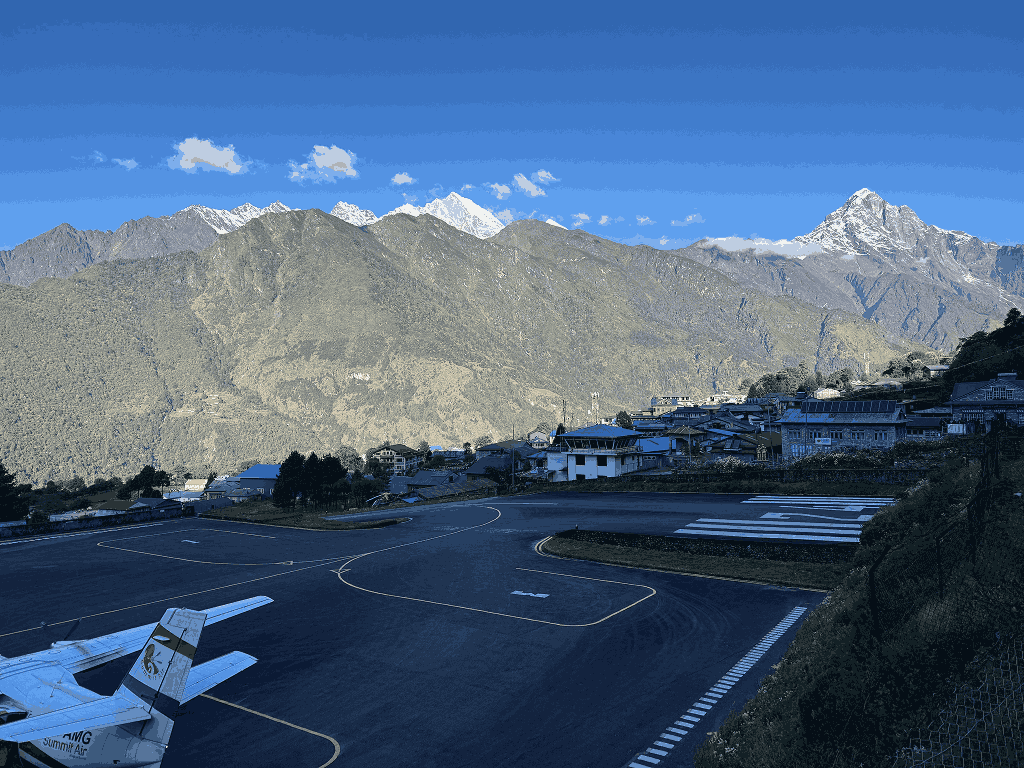
The 12 Days Everest Base Camp Trek begins with an early morning flight from Kathmandu or Manthali to Lukla. Lukla is the home to Tenzing-Hillary Airport, known for its dramatic runway. After landing, you’ll meet your guide and porter. First, you will have a quick breakfast, and then begin your EBC trek by first reaching Phakding.

The trek from Lukla to Phakding is mostly downhill for about 8 km and takes 3-4 hours. It passes through charming Sherpa villages like Cheplung and Ghat. You’ll see colorful mani stones, spinning prayer wheels, and fluttering prayer flags that mark your entry into the Khumbu region.

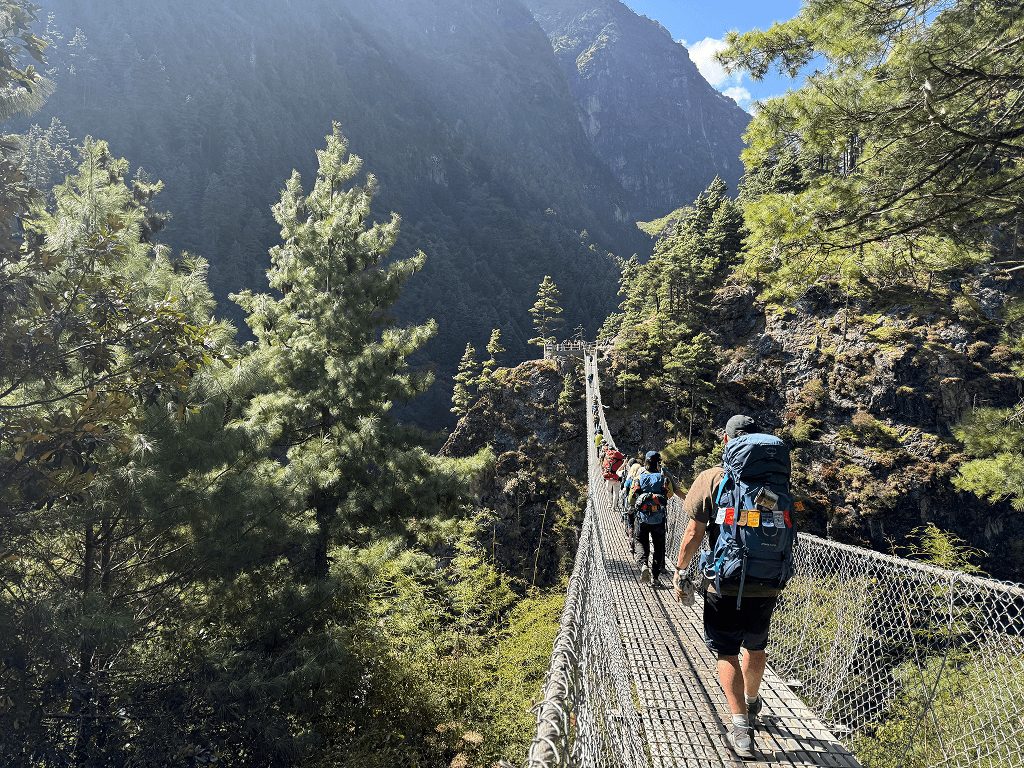
As you walk alongside the Dudh Koshi River and cross suspension bridges, you’ll be treated to stunning views of the turquoise waters. From here, you will also get beautiful glimpses of some of the surrounding peaks, like Kusum Kanguru and Khumbila.

You’ll stroll through rhododendron and pine forests, passing traditional Sherpa homes where you might spot yaks and meet friendly locals. Upon reaching Phakding, you will check into your lodge. After resting for a while, you can visit the nearby Rimishung Monastery for some quiet reflection before returning to your lodge for an overnight stay.

Day 02 :

Trek from Phakding (2,610 m / 8,563 ft) to Namche Bazaar (3,440 m / 11,286 ft)

Trek Distance

10 km / 6 mi

Trek Duration

5-6 hours

Overnight Stay

Namche Bazaar

Highest Altitude

3,440 m / 11,286 ft (Namche Bazaar)

Meals

Breakfast, Lunch, and Dinner

Accommodation

Teahouse

Today, you walk along the Dudh Koshi River through pine and rhododendron forest. The trail passes through small villages such as Zapute, Toktok, Benkar, and Chumoa. Along the way, you will see prayer wheels and mani walls beside the trail. After Chumoa, the trek continues for about one hour to reach Monjo. Monjo is the entry point of Sagarmatha National Park, which protects the fragile mountain environment. From here, the river valley becomes narrow as you move toward Jorsalle through shaded forest trails.

After a short rest at Jorsalle, you continue toward Namche Bazaar. The trail crosses several suspension bridges. The most famous one is the Hillary Bridge, which stands high above the river and is covered with prayer flags. After crossing the bridge, you climb steeply uphill through the forest. During the climb, you can see Thamserku. If the weather is clear, you may also see Everest, Lhotse, Nuptse, and Kusum Kanguru in the distance.

The trail gradually widens and becomes easier as you approach Namche. You pass the police checkpoint and enter Namche Bazaar, the main Sherpa town in the Khumbu region. Here, you check into your lodge. In the evening, you can walk around bakeries, cafes, and gear shops, or meet locals before dinner and rest.

Day 03 :

Acclimatization Day in Namche Bazaar, Side Hike to Everest View Hotel (3,880 m / 12,730 ft) or Khumjung Village (3,790 m / 12,434 ft)

Trek Distance

3 km / 2 mi

Trek Duration

3-4 hours

Overnight Stay

Namche Bazaar

Highest Altitude

,880 m / 12,730 ft (Everest View Hotel)

Meals

Breakfast, Lunch, and Dinner

Accommodation

Teahouse

Today, you spend the day in Namche Bazaar to help your body acclimatize to a higher altitude. This is the first day of acclimatization, and you will have another later. Acclimatizing in Namche is also a wise decision. At 3,440 m, Namche is the main trading hub of the Khumbu region. The streets are lined with lodges, bakeries, gear shops, and small museums.

You wake up early and start a slow hike above the town. The day of acclimatization doesn’t mean staying in bed the whole day. The trail climbs steeply at first, then follows a wide ridge with clear views of Mount Everest, Lhotse, and Ama Dablam. This short climb helps your body adapt to thinner air. You return to Namche to sleep at the same altitude, which supports safe acclimatization.

One popular side hike leads to Hotel Everest View at 3,880 m. It is known as one of the highest hotels in the world. From its terrace, you enjoy a wide, direct view of Everest and the surrounding peaks. Another option is a walk to Khumjung village. This traditional Sherpa settlement sits in a quiet valley above Namche. You can visit the monastery, see local homes, and learn about Sherpa culture and daily life. Both hikes offer cultural insight and stunning mountain scenery. You gain altitude during the day, then descend to Namche for the night to support proper acclimatization.

Day 04 :

Trek from Namche Bazaar (3,440 m / 11,286 ft) to Tengboche (3,860 m / 12,664 ft) or Milunga (3,937 m / 12,917 ft)

Trek Distance

9–9.5 km / 5.5–6 mi

Trek Duration

5-6 hours

Overnight Stay

Tengboche/Milunga

Highest Altitude

3,860 m / 12,664 ft (Tengboche)

Meals

Breakfast, Lunch, and Dinner

Accommodation

Teahouse

You leave Namche Bazaar (3,440 m) after breakfast and follow the trail north-east, then climb gently through the settlements of Kyangjuma and Sanasa before the path drops steeply down to Phunki Tenga (3,250 m) on the banks of the Dudh Koshi River. You cross a suspension bridge over the river here, then climb up through a dense rhododendron and pine forest toward Tengboche. The day covers roughly 9–10 km and takes 5–6 hours.

Although Tengboche sits only about 420 m above Namche in net elevation, the actual elevation gained in a day is more than double that, because the trail loses a significant amount of height at Phunki Tenga before climbing all the way back up. Throughout the trek, you enjoy majestic views of Ama Dablam (6,812 m), Lhotse (8,516 m), and the summit pyramid of Everest itself.

You arrive at Tengboche, home to the famous Tengboche Monastery. It is one of the oldest monasteries in the Everest region. After reaching the top of the monastery, you will get an uninterrupted 360-degree view of the high Himalaya. You will settle and have lunch. If time and energy allow, you can walk a short distance further to Milunga, a small Sherpa settlement just beyond Tengboche. Overnight stay at either Tengboche or Milunga.

Day 05 :

Trek from Tengboche (3,860 m / 12,664 ft) / Milunga (3,937 m / 12,917 ft) to Dingboche (4,410 m / 14,469 ft)

Trek Distance

11 km / 6.8 mi

Trek Duration

5-6 hours

Overnight Stay

Dingboche

Highest Altitude

4,410 m / 14,469 ft (Dingboche)

Meals

Breakfast, Lunch, and Dinner

Accommodation

Teahouse

Today you will move from Tengboche or Milunga, depending on where you stayed last night. First, the trek starts with a quick descent through pine forests towards Debuche. From here, you will cross a suspension bridge over the Imja Khola River, and then continue climbing gradually towards Pangboche.

Pangboche is one of the oldest Sherpa villages and home to the oldest monastery in the Khumbu region. After arriving at Pangboche, you will stop for lunch. From here, the landscape starts opening up. The trail shifts from forested terrain to wide alpine yak pastures with open views of Island Peak, Lhotse, and Ama Dablam.

You continue through the small settlements of Shomare and Orsho before making the final steady climb to Dingboche. Dingboche is a picturesque village known for its stone-walled fields, which local farmers built over generations to protect crops from the fierce Himalayan winds.

At 4,410 m, this is a significant altitude jump from Tengboche, and you will likely begin to feel the thinner air more noticeably here. Unlike on some earlier days of the trek, Day 5 is mostly a comfortable, steady incline with no steep or punishing uphills, making it a physically manageable day despite the altitude gain. You will stay overnight in Dingboche, which also serves as the key acclimatization base for the days ahead, before pushing for EBC.

Day 06 :

Acclimatization Day in Dingboche (4,410 m / 14,469 ft) / Short Hike to Nakarsang Hill (5,083 m / 16,677 ft)

Trek Distance

5 km / 3 mi (round trip)

Overnight Stay

Dingboche

Highest Altitude

5,083 m / 16,677 ft (Nakarsang Hill)

Meals

Breakfast, Lunch, and Dinner

Accommodation

Teahouse

Today is another day of acclimatization, which is extremely important for short high-altitude treks like this. Dingboche is at 4,410 m, surrounded by stone-walled fields that block strong winds and protect vegetation. After breakfast, you will begin your short but steep hike towards Nakarsang Hill (5,083 m). You will climb gradually above the village, as you pass through yak pastures, prayer flags, and mani walls.

After reaching the summit, you will be rewarded with uninterrupted views of Lhotse, Ama Dablam, Island Peak, and the entire Imja Valley. The view is one of the most beautiful you will see in the Khumbu region, so make sure you click some amazing photos.

After spending some time at Nakarsang hill, it’s time for descent. Although descending is easier than ascending, be careful of slippery footing. You will reach Dingboche in the afternoon, after which you will have plenty of time to stroll around, visit local shops, or rest in the Dingboche hotel.

Day 07 :

Trek from Dingboche (4,410 m / 14,469 ft) to Lobuche (4,940 m / 16,207 ft)

Trek Distance

8 km / 5 mi

Trek Duration

5-6 hours

Overnight Stay

Lobuche

Highest Altitude

4,940 m / 16,207 ft (Lobuche)

Meals

Breakfast, Lunch, and Dinner

Accommodation

Teahouse

It’s time to leave Dingboche and head towards Thukla. It is a small village used by trekkers as a lunch or rest point. You will reach Thukla in the afternoon, after which, you will experience a steep climb to Thukla Pass. At the top of the site are stone memorial sites with stone markers. These stone markers are surrounded by prayer flags, honoring Sherpas and climbers who lost their lives in the mountains.

After soaking in the atmosphere here for a brief moment, you will then follow the trek route. From here, the trail passes through the edge of the Khumbu glacier. You must be careful of the rock and icy moraine, which is loose and slippery. The best part of trekking slowly here is the up-close views of Pumori, Cholatse, Nuptse, Taboche, and Ama Dablam behind them. You will then descend to the yak pastures of the small settlement of Lobuche. Lobuche is a small settlement, but it is colder than its surroundings. Make yourself comfortable in the teahouse before dinner, and sleep.

Day 08 :

Trek from Lobuche (4,940 m / 16,207 ft) to Everest Base Camp (5,364 m / 17,598 ft) and return to Gorak Shep (5,164 m / 16,942 ft)

Trek Distance

13 km / 8 mi

Trek Duration

7-8 hours

Overnight Stay

Gorakshep

Highest Altitude

5,364 m / 17,598 ft (Everest Base Camp)

Meals

Breakfast, Lunch, and Dinner

Accommodation

Teahouse

Today is a special day in this 12-day journey to Everest Base Camp. You will reach the iconic Everest Base Camp, but first, you begin your trek towards Gorak Shep. The trail passes beside the Khumbu Glacier. Here, the conditions are tough due to thin air and rugged, icy terrain, so make sure you trek slowly and take your time.

As you begin gaining altitude, the surrounding mountains rise in the distance. You will soon arrive in Gorak Shep. It is also the site of small settlements and the last place with permanent buildings. In Gorak Shep, you will leave extra bags, gear, or have lunch if you need.

After a short break in Gorakshep, you will continue your trek toward Everest Base Camp. The path is rough and rocky because it crosses glacial terrain, so be careful with every step. When you arrive at Everest Base Camp, you’ll be close to the Khumbu Icefall, where climbers start their journey to the summit during the climbing season.

It’s important to note that you can’t see the summit of Mount Everest from this location because it is hidden behind the Nuptse ridge. After a long day of hiking, you’ll return to Gorakshep in the late afternoon, feeling tired but rejuvenated. In the evening, you will have a short celebration with your crew, have dinner, and go to bed early for a full night’s rest and relaxation.

Day 09 :

Trek from Gorak Shep (5,164 m / 16,942 ft) to Kala Patthar (5,545 m / 18,192 ft) and descend to Pheriche ( 4,240 m / 13,911 ft) or Somare (4,010 m / 13,156 ft)

Trek Distance

12 km / 7.5 mi

Trek Duration

6-7 hours

Overnight Stay

Pheriche/Somare

Highest Altitude

5,545 m / 18,192 ft (Kala Patthar) 

Meals

Breakfast, Lunch, and Dinner

Accommodation

Teahouse

The ninth day is one of the hardest and most rewarding days of the trek. You start early from Gorak Shep in very cold air and thin oxygen. The trail to Kala Patthar climbs steep rocky slopes and loose gravel sections. Each step feels slow because of the altitude above 5,000 meters.

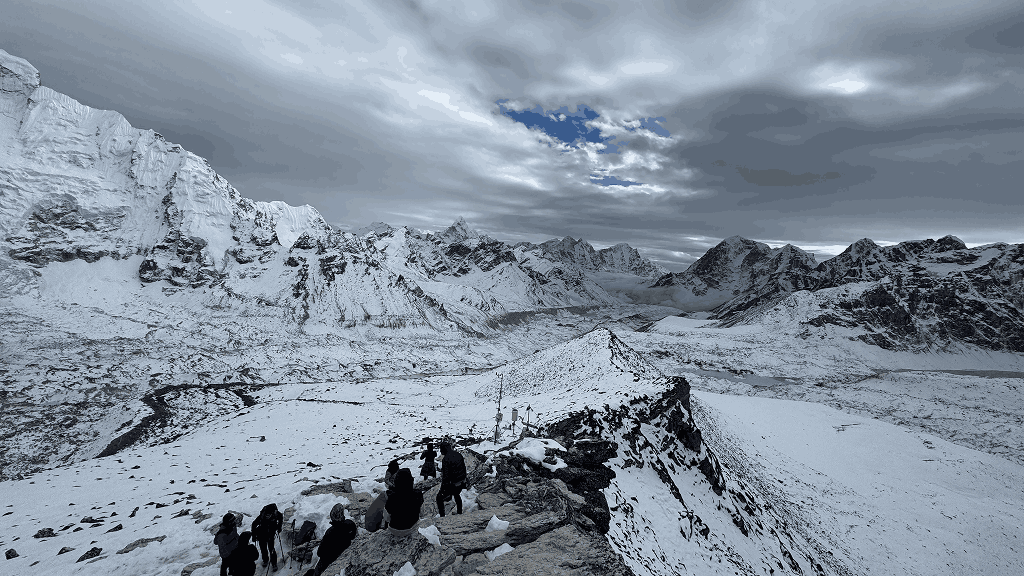
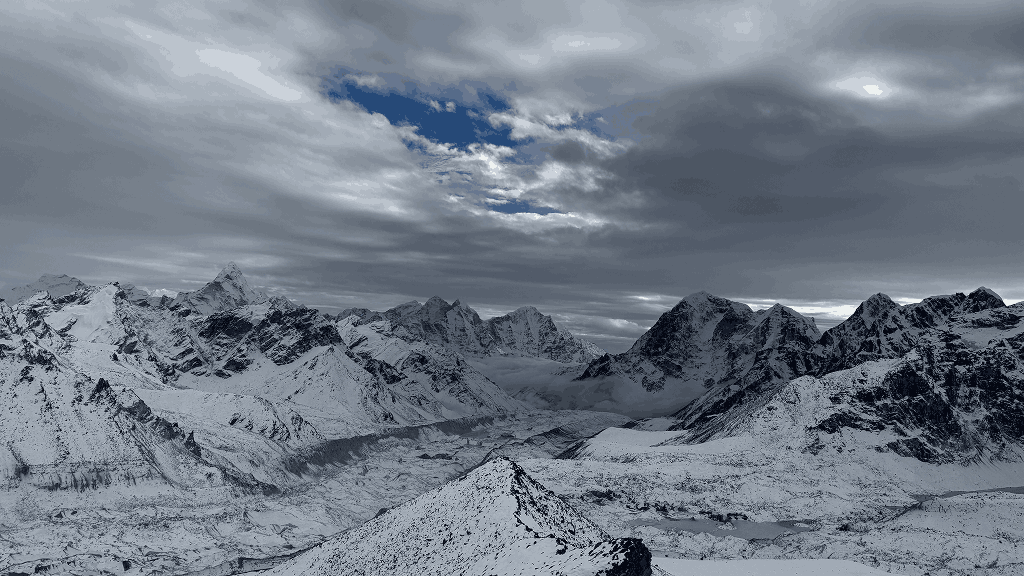
When you reach the top, you get a close and clear view of Mount Everest, along with Nuptse and the long ice flow of the Khumbu Glacier. The wind is usually strong, and the temperature often drops below -10°C in the morning. After photos and a short rest, you descend back to Gorak Shep for breakfast before continuing your trek.

After Gorak Shep, the trail drops quickly to lower altitudes, which helps your body recover. Breathing becomes easier as you lose height. You pass the Lobuche area and continue toward Pheriche, or stop earlier at Somare, depending on your plan and energy level.

Pheriche sits in a wide, windy valley with a medical post and many lodges. Somare is smaller and quieter, which gives better rest. This day is long but very important because it takes you down from the extreme altitude and eases your conditions.

Day 10 :

Trek from Pheriche (4,240 m / 13,911 ft) to Namche Bazaar (3,440 m / 11,286 ft)

Trek Distance

18 km / 11 mi

Trek Duration

6-7 hours

Overnight Stay

Namche Bazaar

Highest Altitude

4,240 m / 13,911 ft (Pheriche)

Meals

Breakfast, Lunch, and Dinner

Accommodation

Teahouse

The descent on our Everest Base Camp trek continues from Pheriche to Namche Bazaar. Pheriche sits at about 4,240 m, so you start the day high in the Khumbu Valley. The trail first leads you back along the Imja Khola River toward Pangboche and Tengboche. You pass stone walls carved with Buddhist prayers and walk through small Sherpa settlements.

As you descend, the air feels thicker and easier to breathe. You will begin to notice that you are regaining energy as altitude decreases. After Tengboche, the path drops steeply through rhododendron and pine forests. You cross suspension bridges over the Dudh Koshi River and continue toward Namche.

The trek from Pheriche to Namche usually takes six to eight hours, depending on pace and weather. You lose nearly 800 m in elevation, which helps with acclimatization. The descent can strain your knees, so steady footing is important.

After arriving in Namche, you will have plenty of time to rest in your teahouse. In the evening, you can visit local pubs or meet with locals in the Sherpa Museum, before returning for your dinner and overnight sleep.

Day 11 :

Trek from Namche Bazaar (3,440 m / 11,286 ft) to Lukla (2,860 m / 9,383 ft)

Trek Distance

19 km / 12 mi

Trek Duration

6-7 hours

Overnight Stay

Lukla

Highest Altitude

3,440 m / 11,286 ft (Namche Bazaar)

Meals

Breakfast, Lunch, and Dinner

Accommodation

Teahouse

Today is the second last day of our 12-day Everest Base Camp trek, and also the last day in the Everest region. The descent is quite easy as you follow the Dudh Koshi River all the way to Lukla. The trail passes through diverse landscapes, forests, and small settlements such as Monjo and Phakding. You then reach the entry point of Sagarmatha National Park, where you will show your permits once again.

After about six to eight hours of trek, you will arrive at Lukla. You can rest at your teahouse and, in the evening, celebrate the incredible achievement with your crew. After talking, singing, or telling stories with everyone, it’s time for dinner. You will have a wonderful dinner, and then stay overnight at the Lukla hotel.

Day 12 :

Early Morning Flight from Lukla (2,860 m / 9,383 ft) to Kathmandu (1,324 m / 4,343 ft) or Manthali (474 m / 1,555 ft)

Overnight Stay

Kathmandu

Flight Hours

40 minutes from Kathmandu/ 20 minutes from Manthali 

Highest Altitude

2,860 m / 9,383 ft (Lukla)

Meals

Breakfast, Lunch

Accommodation

Hotel

You wake up early in Lukla and head to Tenzing-Hillary Airport for your morning flight back to Kathmandu. Airlines schedule all Lukla flights in the morning because mountain weather deteriorates quickly in the afternoon, making afternoon flights unsafe and often impossible.

During peak trekking seasons in spring and autumn, flights often depart from Ramechhap (Manthali) Airport rather than Kathmandu to reduce air traffic congestion at Tribhuvan International Airport. If your flight lands in Manthali, you will drive approximately 4-5 hours to reach Kathmandu.

On a clear day, the flight rewards you with breathtaking aerial views of the Himalayan ranges, including Everest, Lhotse, and Ama Dablam, which is a stunning final farewell to the mountains after an unforgettable 12 days EBC trek.

12 Days EBC Trek Includes

  • Private vehicle pick-up and drop-off service between Kathmandu Airport and your hotel
  • Round flight from Kathmandu/ Manthali to Lukla and vice versa
  • All teahouse accommodation during the trek (11 nights)
  • Standard meal (12 breakfasts, 11 lunches, and 12 dinners)
  • Seasonal fruits after dinner
  • Trek permits (Sagarmatha National Park Entry Permit + Khumbu Pasang Lhamu Rural Municipality Permit)
  • Experienced English-speaking, government-licensed trekking guide
  • Porter (1 porter for two trekkers), max weight limit is 18 kg (9 kg per trekker)
  • Full coverage of wages, meals, lodging, transport, insurance, and gear for guides and porters
  • Trek map
  • Oxygen saturation check every day
  • Water purification tablets
  • Trek completion certification
  • Trekking briefing before departure
  • First aid medical kit carried by the guide
  • Sleeping bags, down jackets, and a duffel bag (one duffel bag for every two trekkers)
  • Farewell dinner at the end of the trek
  • All government, local taxes, and official expenses

12 Days EBC Trek Does Not Include

  • Hotel accommodation and meals in Kathmandu, except farewell dinner
  • International flight ticket
  • Nepal tourist visa fees
  • Travel insurance (Mandatory and must include high-altitude emergency and helicopter evacuation coverage)
  • Tips for guides, porters, and staff  (It is appreciated)
  • Personal expenses of all forms (alcoholic drinks, bottled water, hot shower, charging devices, snacks, desserts, laundry, Wi-Fi, phone calls, etc.)

Departure Dates

Set off on your next adventure with our scheduled departures and easy per-person pricing. Meet like-minded travelers, share the journey, and create stories worth telling. Just pick your date, and we’ll take care of the details.

12 Days

Trip Days

6 Oct, 2026

Start Tuesday

17 Oct, 2026

End Saturday

0

Pax Booked

20

Group Size

USD 1,235

Price

Booking Open

Status

12 Days

Trip Days

13 Oct, 2026

Start Tuesday

24 Oct, 2026

End Saturday

0

Pax Booked

20

Group Size

USD 1,235

Price

Booking Open

Status

12 Days

Trip Days

20 Oct, 2026

Start Tuesday

31 Oct, 2026

End Saturday

0

Pax Booked

20

Group Size

USD 1,235

Price

Booking Open

Status

12 Days

Trip Days

27 Oct, 2026

Start Tuesday

7 Nov, 2026

End Saturday

0

Pax Booked

20

Group Size

USD 1,235

Price

Booking Open

Status

Make Your Journey Private

Experience Nepal exactly the way you imagined it. Our private trips are crafted with complete flexibility with your dates, your pace, your preferences. Whether you want a slow cultural immersion, a scenic road journey.

Additional Information

Beating the Khumbu Cough: Tips for High-Altitude Breathing

When trekkers plan to trek to Everest Base Camp, they are often aware of altitude sickness and its symptoms. They are also aware of ways to minimize the risk; however, there is another kind of problem they are generally not prepared for. Khumbu cough is a common issue in high-altitude regions, such as the Khumbu. Khumbu cough is caused by breathing the cold, dry air at high altitudes. The combination of low humidity and freezing temperatures dries out and irritates the airways, which leads to a persistent hacking cough. Factors like dust and heavy breathing can worsen the problem, and once it starts, the cough can linger for days or even weeks.

Fortunately, there is a highly effective method to fight back. The “Buff and Lozenge” method offers effective relief and prevention. By wearing a merino wool neck gaiter or Buff over your mouth and nose, you can breathe through it to pre-warm and humidify the air. This protects your airways better than any medication after the cough has begun. This method traps moisture from your breath and blocks the influx of cold, dry air. Additionally, regularly inhaling on throat lozenges can soothe an irritated throat and add much-needed moisture.

Hydration is also an equally important way to protect over the long term. Make sure you are drinking plenty of water each day of the trek. Choose warm fluids like tea and soups whenever you can, but it is wise to avoid coffee and alcohol. Proper hydration keeps mucous membranes moist and resilient, which helps prevent the extreme dryness that worsens the cough. To reduce irritation, avoid overexertion, limit mouth breathing, and ascend slowly to help with acclimatization. By following the “Buff and Lozenge” protocol along with these tips, you can effectively manage or prevent Khumbu Cough.

EBC Trek Month-by-Month Weather, Crowds, and Visibility

Month Weather Conditions Crowd Level Mountain Visibility Key Notes
January Very cold (-15°C to -5°C at higher elevations), dry, stable skies Very Low Excellent (clear winter air) Harsh cold; fewer teahouses open at higher altitudes
February Cold but slightly milder than January Very Low Excellent Increasing daylight; still extreme at night
March Cool mornings, moderate daytime temps Increasing Very Good Start of the spring season; rhododendrons begin blooming at lower elevations
April Stable weather, moderate temps High Very Good Peak spring trekking month; busy trails and teahouses
May Warmer, some haze at lower elevations High Good (can be hazy pre-monsoon) Warmer, but visibility is slightly reduced due to humidity
June Start of monsoon; rain increases Low Poor to Moderate Frequent cloud cover; flight delays are common
July Heavy monsoon rains Very Low Poor Leeches at lower altitudes; limited views
August Monsoon continues but slows down late in the month Very Low Poor to Moderate Lush landscapes; clouds dominate mornings
September Monsoon clears, and improving stability Increasing Very Good Fresh air after the rains; start of the autumn season
October Dry, stable, moderate temps Very High Excellent Peak autumn month; best balance of weather and views
November Dry, colder nights Moderate Excellent Crisp air; fewer trekkers than in October
December Cold, dry, occasional snow Low Very Good to Excellent Quiet trails; cold but generally clear skies

Why Garlic Soup Is So Popular on the Everest Base Camp Trek?

Garlic soup is gaining popularity on the Everest Base Camp Trek, mainly because trekkers and locals believe it helps the body cope with high altitude and provides warmth, hydration, and easy-to-digest nutrition in harsh mountain conditions. Here are some of the advantages of drinking garlic soup on a high-altitude trek.

Helps With Altitude Acclimatization

Garlic soup is widely known along the trail as a natural “altitude remedy.” Many guides and teahouses recommend it because garlic is believed to improve blood circulation and help the body adjust to lower oxygen levels. It may also reduce symptoms such as headache, nausea, and dizziness associated with altitude sickness. However, it is important to note that it is not a medical cure, and proper acclimatization and hydration are still essential.

Provides Warmth and Hydration in Cold

At high altitude, the risk of dehydration is high, and temperatures are cold. Garlic soup is hot, salty, and fluid-rich, so it helps maintain hydration and body warmth. Many trekkers drink it daily, especially in the evening after long days of trekking.

Easy to Digest at High Altitude

As altitude increases, appetite often drops and digestion becomes harder. Garlic soup is light and simple, usually just garlic, water or stock, and salt. This makes it easier to consume when heavy food feels difficult.

Easy Availability

Garlic grows well in mountain regions and has long been used in Himalayan traditional remedies. Because it is cheap and locally available, nearly every teahouse serves it. Over time, it became part of trekking culture in the Khumbu region.

Psychological Comfort 

Many trekkers hear about garlic soup before their journey to the Everest Base Camp and try it as a preventive measure. Even if the medical effect is debated, the mental comfort, plus hydration and warmth, still make it valuable.

What Does Staying an Extra Day in Namche and Dingboche Teach You About the Khumbu?

Staying an extra day in Namche Bazaar forces you to slow down and actually read the landscape. Most trekkers pass through Namche as a checkpoint, tick the acclimatization box, and move on. But spend a full rest day there, and you start to notice how this little Sherpa town functions as the key network of the entire Khumbu region. You watch yak caravans roll in loaded with supplies, Sherpa traders negotiate deals at the Saturday market, and you realize that Namche isn’t just a gateway.

It’s a civilization carved into a horseshoe-shaped ridge at 3,440 m. The surrounding hills reveal themselves differently, too. A hike up to the Everest View Hotel or the Sagarmatha National Park visitor center rewards you with your first real, unobstructed look at Everest, Lhotse, and Ama Dablam. That view alone reframes everything. You understand the scale of what you’re walking into, which no amount of photographs can prepare you for.

Then there’s Dingboche, and the extra day here teaches you something more internal, something about your own body and its relationship with altitude. At 4,410 m, the air is noticeably thinner, the cold sharper, and the silence almost physical. A rest day here typically involves hiking up toward Nakarsang Hill or the moraines above the valley. Your body gets a controlled stress test. You go higher during the day, then return to sleep at a lower elevation, which is the classic “climb high, sleep low” principle of acclimatization in action.

But beyond the physiology, a rest day in Dingboche teaches you to read the Khumbu’s terrain differently. You start to see how the valleys were carved by ancient glaciers, how the stone walls crisscrossing the fields were built not just for farming but to protect crops from the wind, and how every feature of this landscape is a negotiation between human life and extreme altitude.

Together, these two extra days give you something a tight schedule never could: context. The Khumbu isn’t just a trail on the Everest trek. It’s a living ecosystem with deep cultural roots, fierce weather patterns, and a pace of life that rewards patience.

12 Days Trek to Everest Base Camp Common Questions

Travel Tips, Stories, & Guides

Travel guides, trekking stories, and blogs from Outbound Treks.

Begin Your Himalayan Story

When it comes to exploring Nepal, experience matters. We will expertly guide you for a safe, comfortable, and authentic adventure. With years of local expertise, we take care of every detail, so you can focus on creating unforgettable memories. Contact us today to plan your dream adventure with Outbound Treks.