

travel expert

Speak with Hari Gurung +9779768604351

Ama Dablam Base Camp Trek

Ama Dablam Base Camp Trek Facts

Starting/Ending Point

Kathmandu/ Kathmandu

Duration

9 Days

Max. Altitude

4,570 m (Ama Dablam Base Camp)

Accommodation

Accommodation
help

Teahouse

Activity Per Day

5 to 7 hrs

Best Season

January, February, March, April, May, September, October, November, December

Group Size

1 - 20

Meals Included

Meals
help

Breakfast, lunch, and dinner

Difficulty

Trip Grade
help

Moderate

Activity

Trekking in Nepal

Nature Of Trek

Teahouse Trekking

Transportation

Domestic Flight

What to Expect on Ama Dablam Base Camp Trek

The Ama Dablam Base Camp Trek is a lesser-known adventure in the beautiful Everest region and a perfect alternative to the Everest Base Camp. It is a high-altitude trek that offers a rich mountain experience, spectacular alpine scenery, and deep cultural immersion. Starting with a scenic flight from Lukla, the trail takes you through diverse landscapes toward the base of the “Matterhorn of the Himalayas.”

The Ama Dablam Base Camp Trekking route follows the classic Everest trail initially. It takes you past famous Sherpa settlements such as Phakding, Namche Bazaar, Khunde, Tengonche, and Pangboche. While trekking past these villages, you will get to witness and gain insight into the vibrant Sherpa culture, beliefs, and lifestyle.

Along the trek route, you will come across the age-old Tengboche Monastery and the oldest monastery in the region, the Pangboche Monastery. It provides a glimpse at the religion and beliefs of the Sherpa people.  From Pangboche, the Ama Dablam Base Camp Trek route detours from the busy Everest Base Camp Trek trail. It becomes quieter and more serene. Similarly, the landscape changes from lush green to rugged alpine terrain.

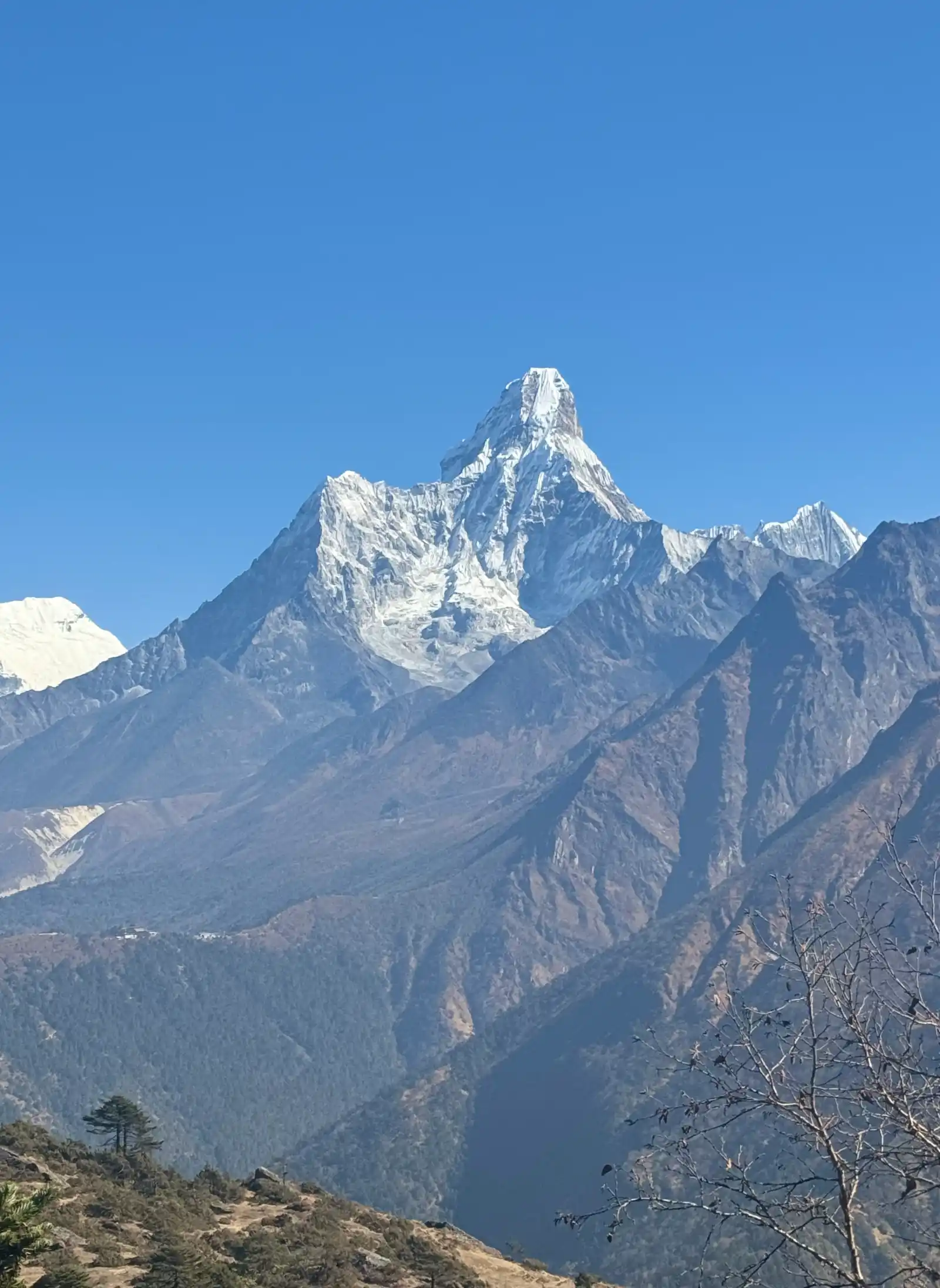
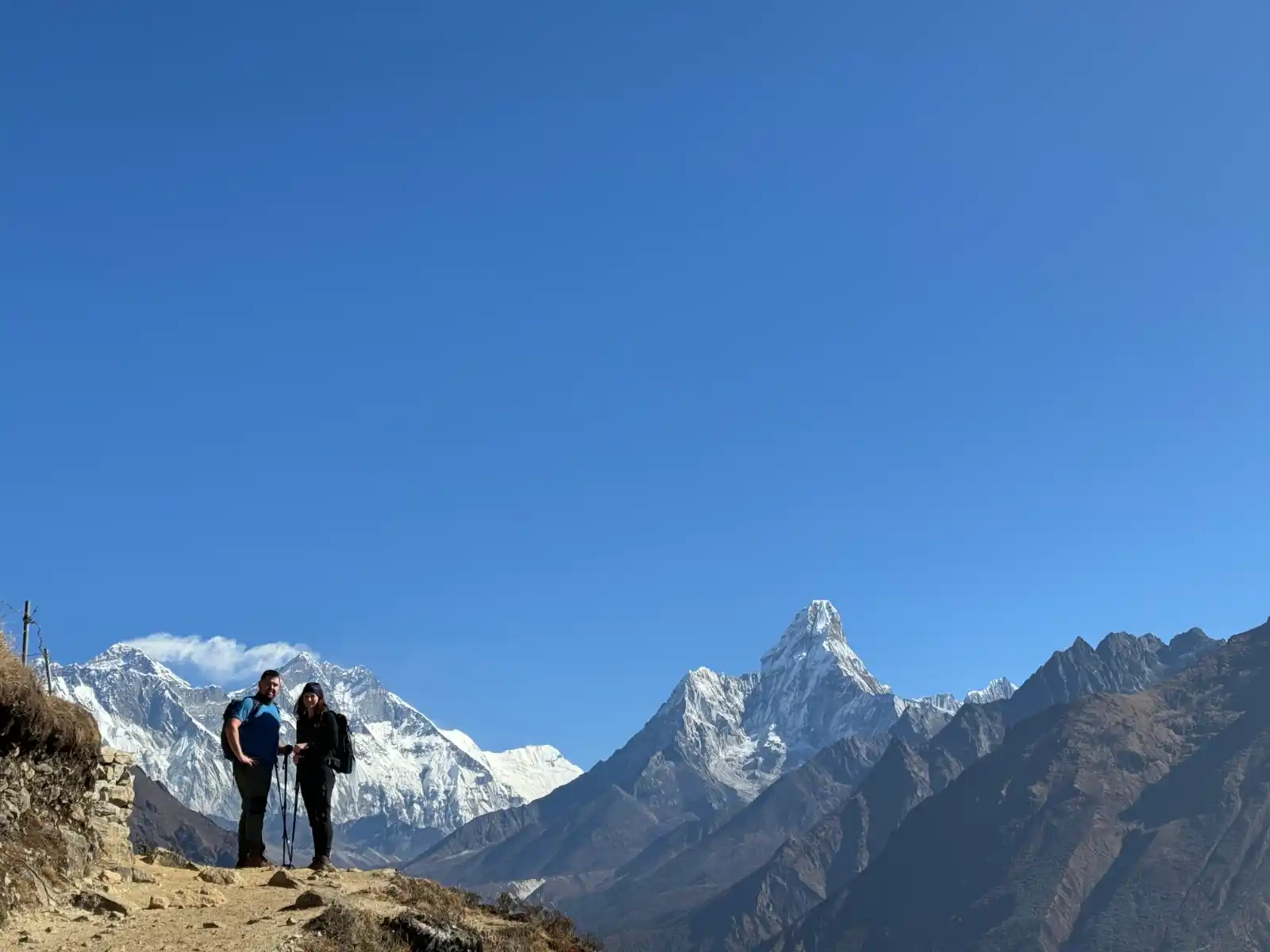
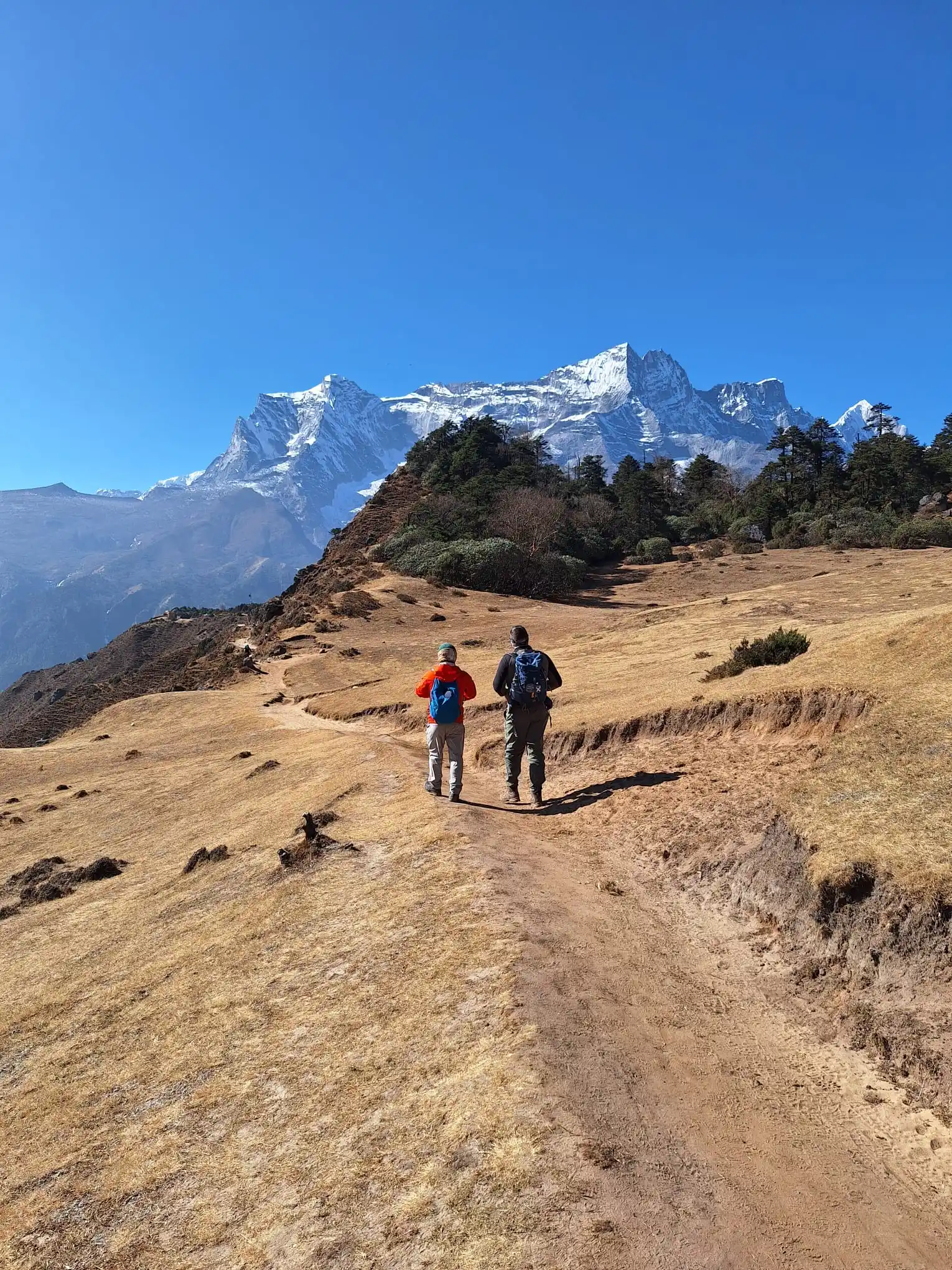
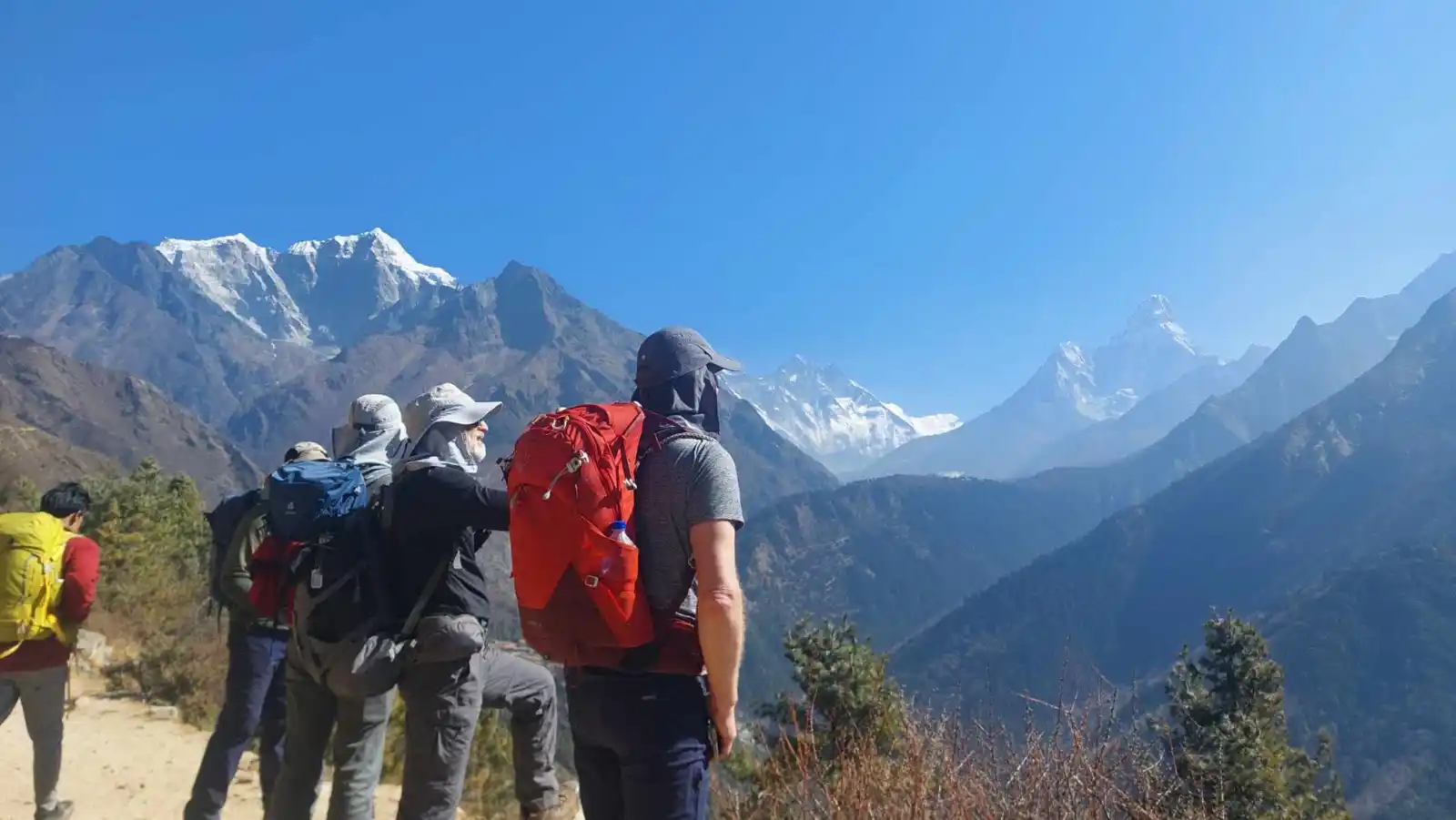
It is a moderately challenging trail that offers a perfect balance of thrill and comfort. The experience also allows you to connect with nature and the tranquil Himalayan atmosphere. Upon reaching the Ama Dablam Base Camp at 4,570 m, you will get one of the most beautiful scenes of some of the world’s highest peaks.  You can see Mount Ama Dablam (6,812 m) right above you with its sharp ridges and iconic hanging glacier.

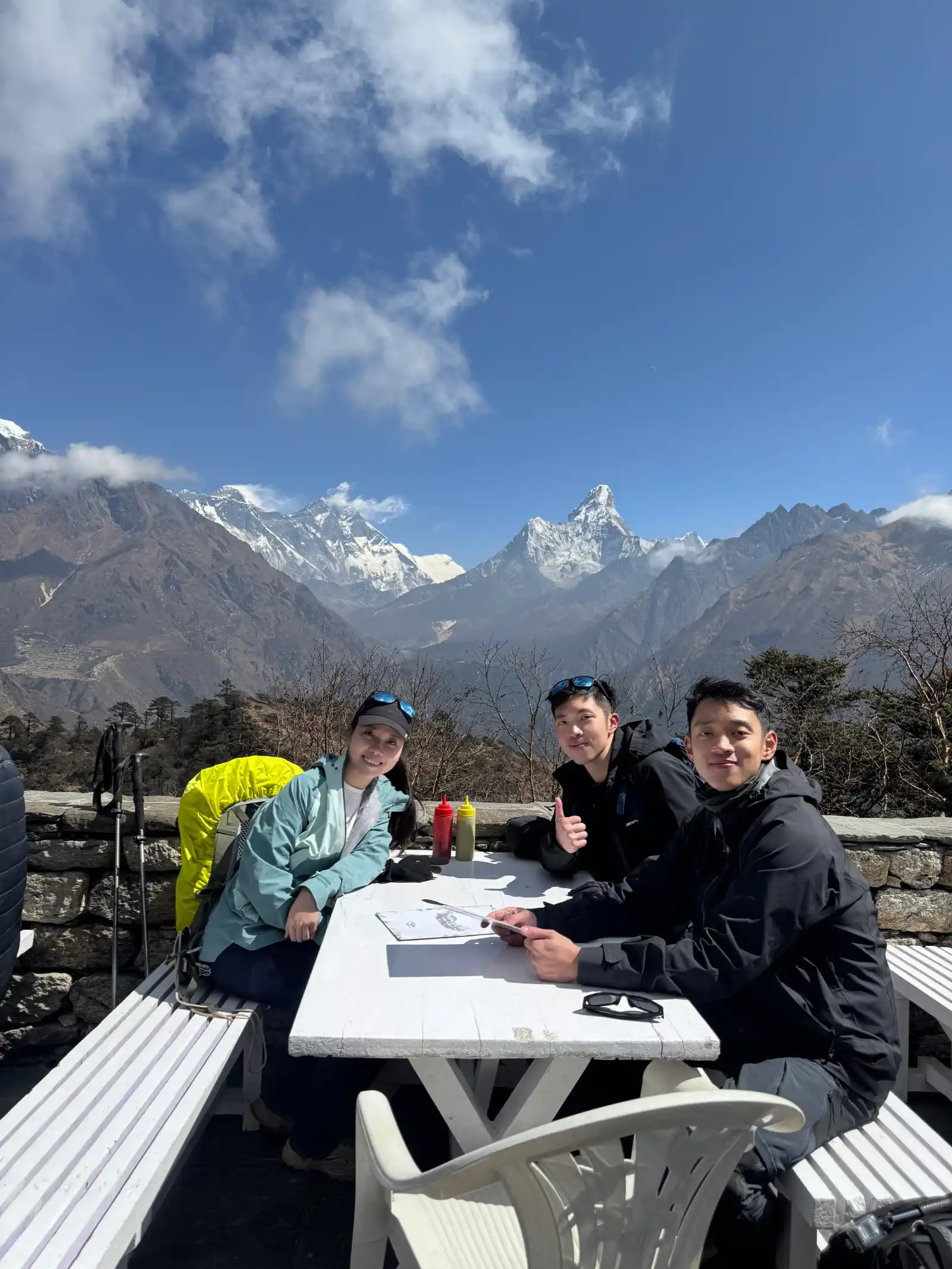
Likewise, you can see the world’s tallest peak, Mount Everest, along with other mountains such as Lhotse, Nuptse, Kangtega, and Thamserku. It is an unforgettable and surreal view. Additionally, the sense of accomplishment of reaching the base camp is also huge. The return journey follows the same scenic route. It gives you more chances to enjoy the natural beauty and immerse yourself in the cultural richness.

The Ama Dablam Base Camp Trek is a short but action-packed adventure. It combines an authentic Himalayan trekking experience with stunning mountain views and Sherpa culture. The duration is perfect for travelers with limited time. Similarly, the moderate trails and elevation make it ideal for trekkers with reasonable fitness, including beginners. The adventure delivers a memorable experience without extreme risks in one of the most iconic trekking regions of Nepal!


 

Why Trekkers Choose Ama Dablam Base Camp Trek

  • Get a close look at the pyramid-shaped form of the iconic Mount Ama Dablam or the “Matterhorn of the Himalayas.”
  • Trek on the classic route of the Everest region, which branches off to quieter trails from Pangboche.
  • Enjoy trekking along the scenic trail through Sagarmatha National Park while witnessing the diverse Himalayan flora and fauna.
  • Ascend from the forests of rhododendrons, oaks, and pines to the alpine meadows, green pastures, and glacial rivers of Imja Valley. 
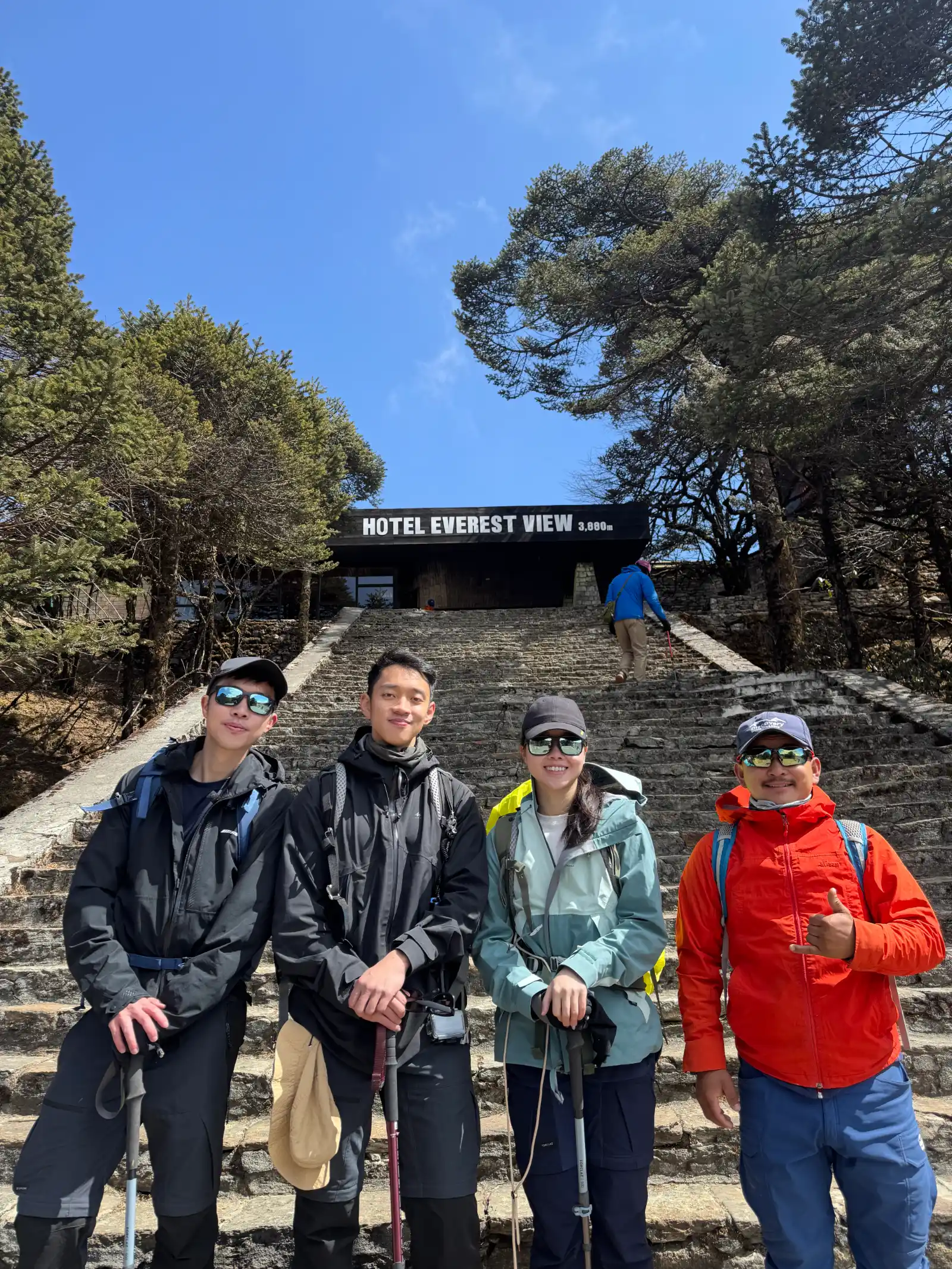
  • Take a short hike from Namche Bazaar to Khumjung (3,790 m) or the Everest View Hotel (3,880 m).
  • Visit the oldest monastery of the Everest region, the Pangboche Monastery, and the famous Tengboche Monastery. 
  • From the Ama Dablam Base Camp (4,570 m), witness the panoramic and spectacular views of Mount Ama Dablam, Everest, Lhotse, Nuptse, Kangtega, and Thamserku.
  • Experience warm Sherpa hospitality in the local teahouses and take a closer look at the Himalayan lifestyle and culture.

Altitude Progress On Trek to Ama Dablam Base Camp

Day 01: Fly from Kathmandu (1,324 m / 4,341 ft) or Manthali (474 m / 1,555 ft) to Lukla (2,860 m / 9,383 ft), then trek to Phakding (2,610 m / 8,563 ft).

  • Altitude Gain: 1,536 m / 5,039 ft (Kathmandu–Lukla flight) or 2,386 m / 7,828 ft (Manthali–Lukla flight).

  • Altitude Loss: 250 m / 820 ft (Lukla to Phakding).

Day 02: Trek from Phakding (2,610 m / 8,563 ft) to Namche Bazaar (3,440 m / 11,286 ft).

  • Altitude Gain: 830 m / 2,723 ft

  • Altitude Loss: 0 m / 0 ft (net elevation change)

Day 03: Acclimatization day at Namche Bazaar (3,440 m / 11,286 ft), with a side hike to Everest View Hotel (3,880 m / 12,730 ft) or Khumjung Village (3,780 m / 12,402 ft), then return to Namche Bazaar.

  • Altitude Gain: 440 m / 1,444 ft (Everest View Hotel) or 340 m / 1,115 ft (Khumjung).

  • Altitude Loss: 440 m / 1,444 ft (Everest View Hotel) or 340 m / 1,115 ft (Khumjung).

Day 04: Trek from Namche Bazaar (3,440 m / 11,286 ft) to Pangboche (3,985 m / 13,074 ft).

  • Altitude Gain: 545 m / 1,788 ft

  • Altitude Loss: 0 m / 0 ft (net elevation change)

Day 05: Trek from Pangboche (3,985 m / 13,074 ft) to Ama Dablam Base Camp (4,570 m / 14,993 ft).

  • Altitude Gain: 585 m / 1,919 ft

  • Altitude Loss: 0 m / 0 ft (net elevation change)

Day 06: Explore around Ama Dablam Base Camp (4,570 m / 14,993 ft) and return to Pangboche (3,985 m / 13,074 ft).

  • Altitude Gain: 0 m / 0 ft (no higher point specified in the heading)

  • Altitude Loss: 585 m / 1,919 ft

Day 07: Trek from Pangboche (3,985 m / 13,074 ft) to Namche Bazaar (3,440 m / 11,286 ft).

  • Altitude Gain: 0 m / 0 ft (net elevation change)

  • Altitude Loss: 545 m / 1,788 ft

Day 08: Trek from Namche Bazaar (3,440 m / 11,286 ft) to Lukla (2,860 m / 9,383 ft).

  • Altitude Gain: 0 m / 0 ft (net elevation change)

  • Altitude Loss: 580 m / 1,903 ft

Day 09: Fly from Lukla (2,860 m / 9,383 ft) to Kathmandu (1,324 m / 4,341 ft) or Manthali (474 m / 1,555 ft).

  • Altitude Gain: 0 m / 0 ft

  • Altitude Loss: 1,536 m / 5,039 ft (to Kathmandu) or 2,386 m / 7,828 ft (to Manthali).

9 Days Ama Dablam Base Camp Trek Itinerary

Day 01 :

Fly from Kathmandu (1,324 m / 4,343 ft)/ Manthali (474 m / 1,555 ft) to Lukla, trek to Phakding (2,610 m / 8,563 ft)

Trek Distance

8 km/ 5 miles

Trek Duration

3 hours

Overnight Stay

Phakding

road

Drive Distance

130-140 km/ 80-87 miles (in case of flight from Manthali)

Drive Duration

4-5 hours (in case of flight from Manthali)

Flight Hours

40 minutes (Kathmandu)/ 20 minutes (Manthali)

Highest Altitude

2,860 m/ 9,383 ft (Lukla)

Meals

Breakfast, Lunch, and Dinner

Accommodation

Teahouse

The 9 Days Ama Dablam Base Camp Trek begins with a scenic flight from Kathmandu to Tenzing Norgay Airport, Lukla. During peak seasons, your flight may be diverted to Manthali Airport, Ramechhap. In such a case, you have to first drive to Ramechhap, which takes 4 to 5 hours depending on the road conditions. During the flight, you will get your first glimpse at the diverse landscape of the Khumbu region and snowy peaks. Upon reaching Lukla, your trek journey will begin.

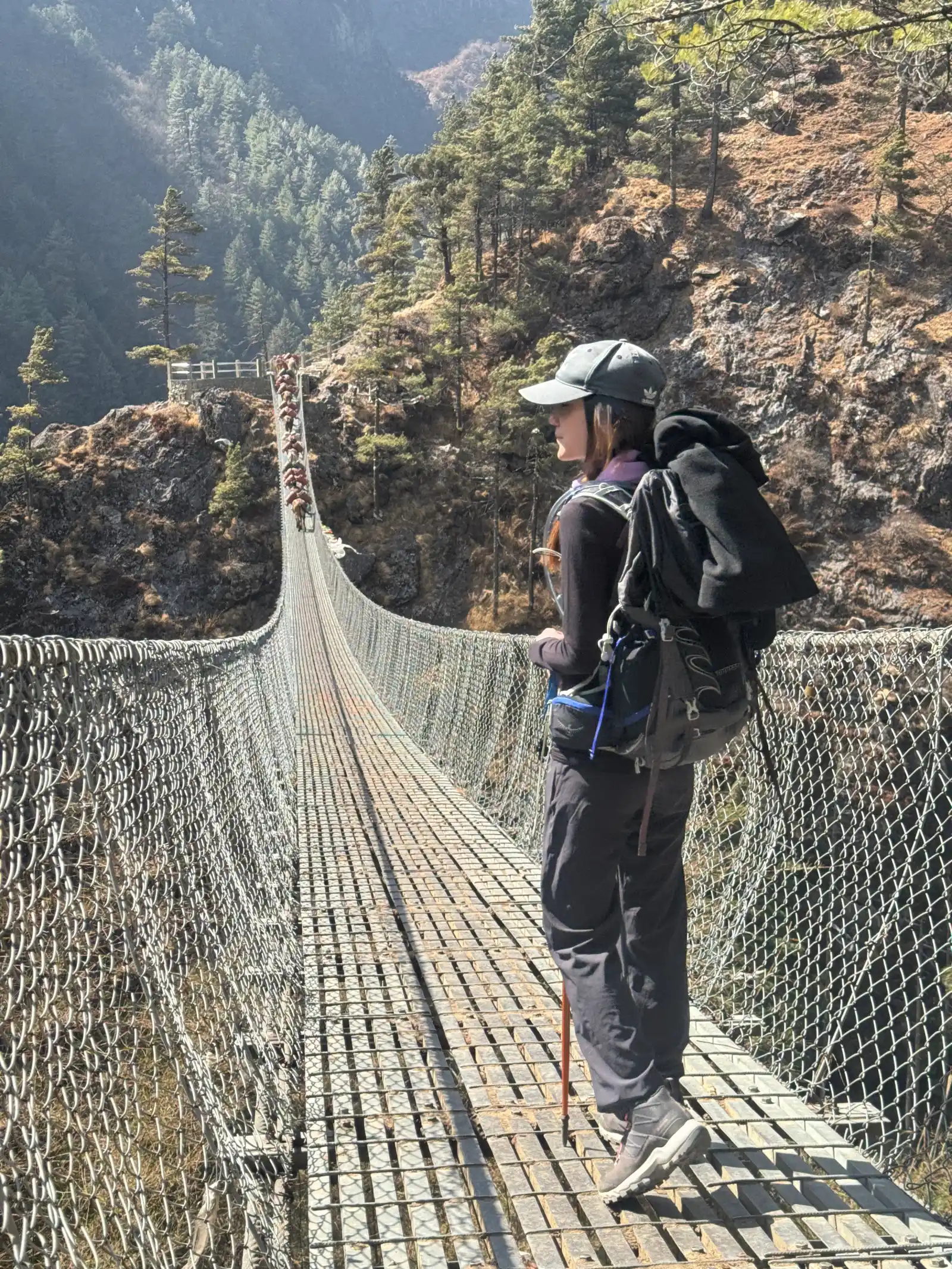
You will initially descend into the Dudh Koshi valley. You will pass by small Sherpa settlements and cross multiple suspension bridges. The Ama Dablam Base Camp Trek trail goes along the riverside and through the pine forest. You will walk on well-marked paths and stone staircases. Along the way, you will make occasional uphill climbs. Today’s trek will offer you the first encounter with the Sherpa culture. You will pass through Sherpa villages such as Chheplung, Thado Koshi, Ghat, and Toktok. 

Similarly, you can see fluttering prayer flags, small chortens, and shrines. Today’s trek is short, and after a few hours, you will arrive at Phakding. You will rest here for the night. 

Day 02 :

Trek from Phakding (2,610 m / 8,563 ft) to Namche Bazaar (3,440 m / 11,286 ft)

Trek Distance

10 km/ 6 miles

Trek Duration

5-6 hours

Overnight Stay

Namche Bazaar

Highest Altitude

3,440 m/ 11,286 ft (Namche Bazaar)

Meals

Breakfast, Lunch, and Dinner

Accommodation

Teahouse

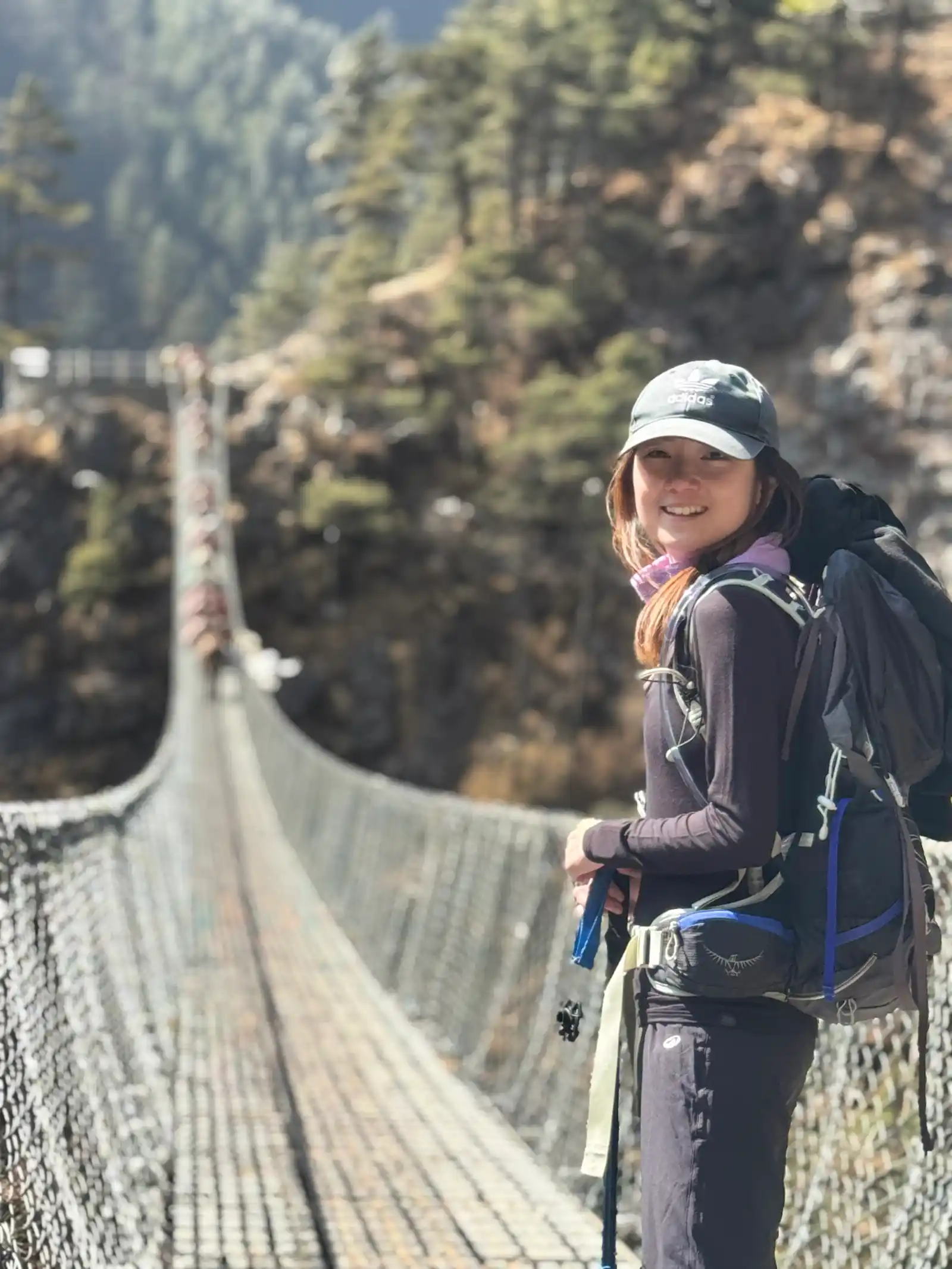
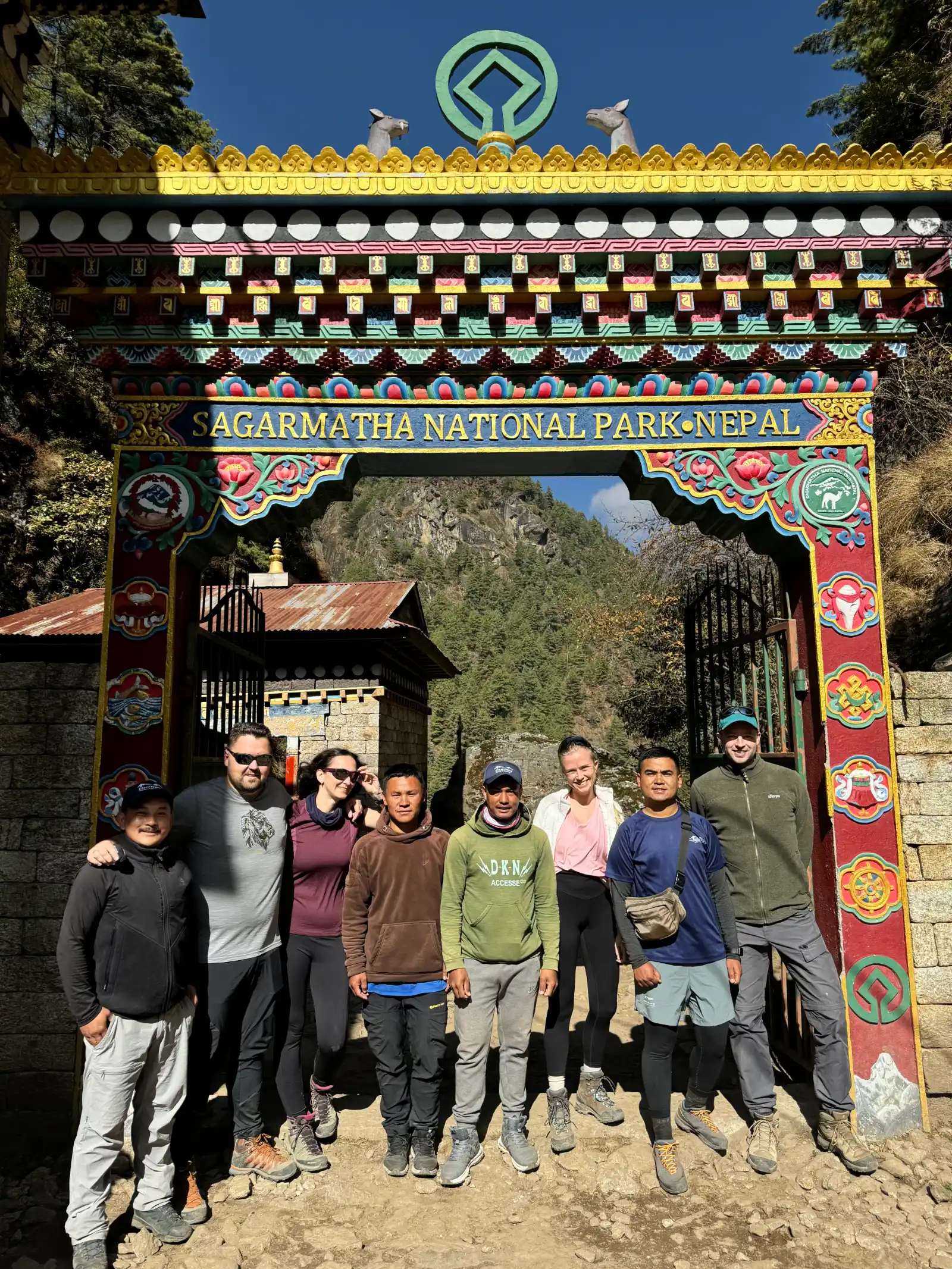
You will have breakfast in Phakding and then follow the Dudh Koshi River. The Ama Dablam Base Camp Trek trail goes through the forests of rhododendron and pine. You will also pass by traditional villages such as Monjo and Jorsalle. From Monjo, you will come across the Sagarmatha National Park entrance. You must show your trek permits to enter the national park. The trail enters the dense forests and gradually gains altitude. The air also becomes cooler. One of the most memorable parts of today’s trek is crossing the iconic Hillary Suspension Bridge. 

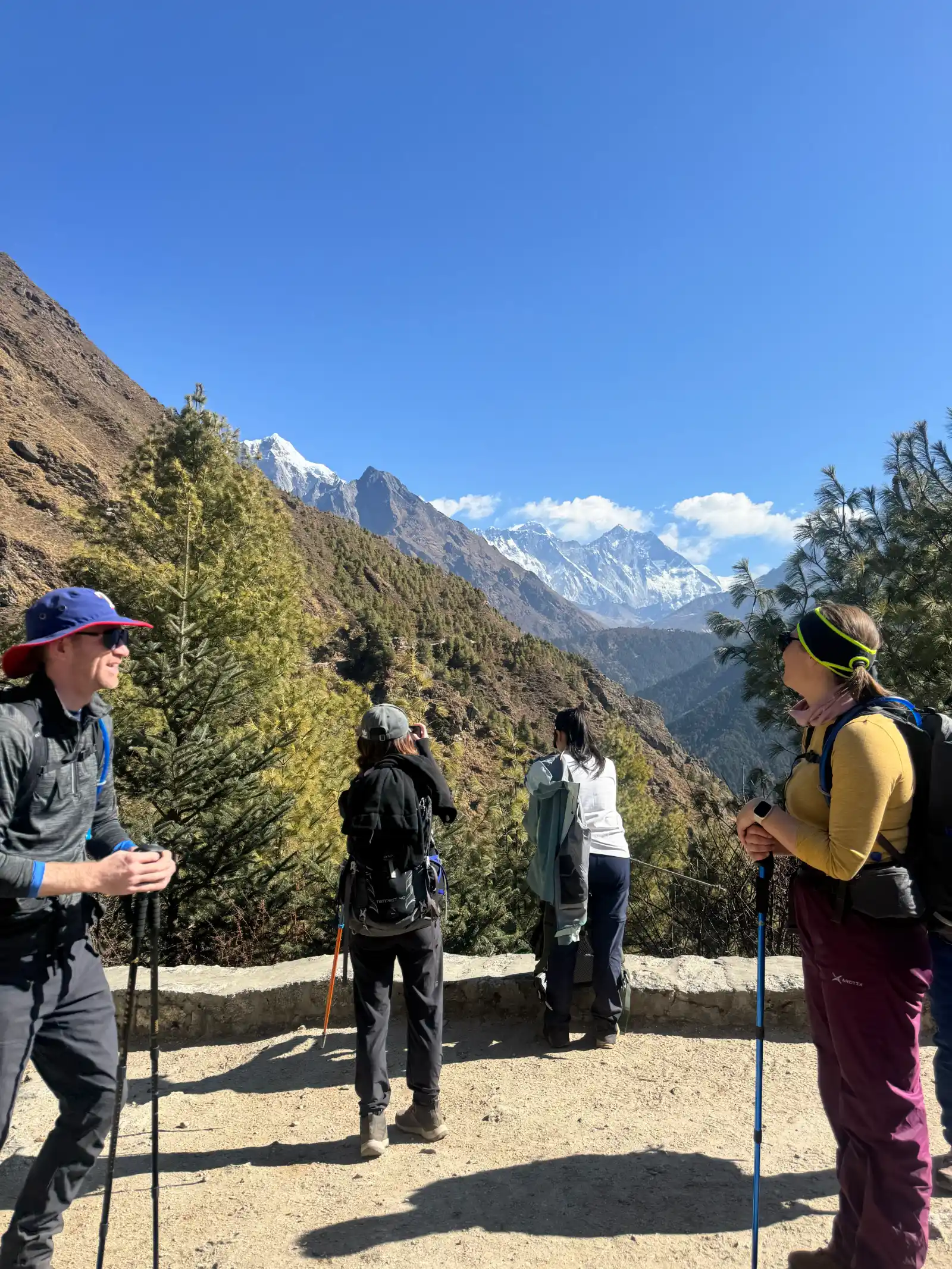
The bridge spans the river gorge and is adorned with colorful prayer flags. As you cross the suspension bridge, the wind sways it gently, which makes the experience more thrilling. After crossing the famous bridge, you will start your challenging ascent. You will have to make a steady and steep ascent on a winding forest trail. The rocky, uneven path and the drop in oxygen levels make the ascent more demanding. You will make a steady ascent for 2-3 hours before arriving at Namche Bazaar. You will catch your first clear but distant view of Mount Everest and Lhotse. Namche Bazaar will be your overnight stop for the next two nights. 

Day 03 :

Acclimatization day at Namche Bazaar (3,440 m / 11,286 ft)

Trek Distance

2 km/ 2 miles

Trek Duration

3-4 hours

Overnight Stay

Namche Bazaar

Highest Altitude

3,880 m/ 12,730 ft (Everest View Hotel)

Meals

Breakfast, Lunch, and Dinner

Accommodation

Teahouse

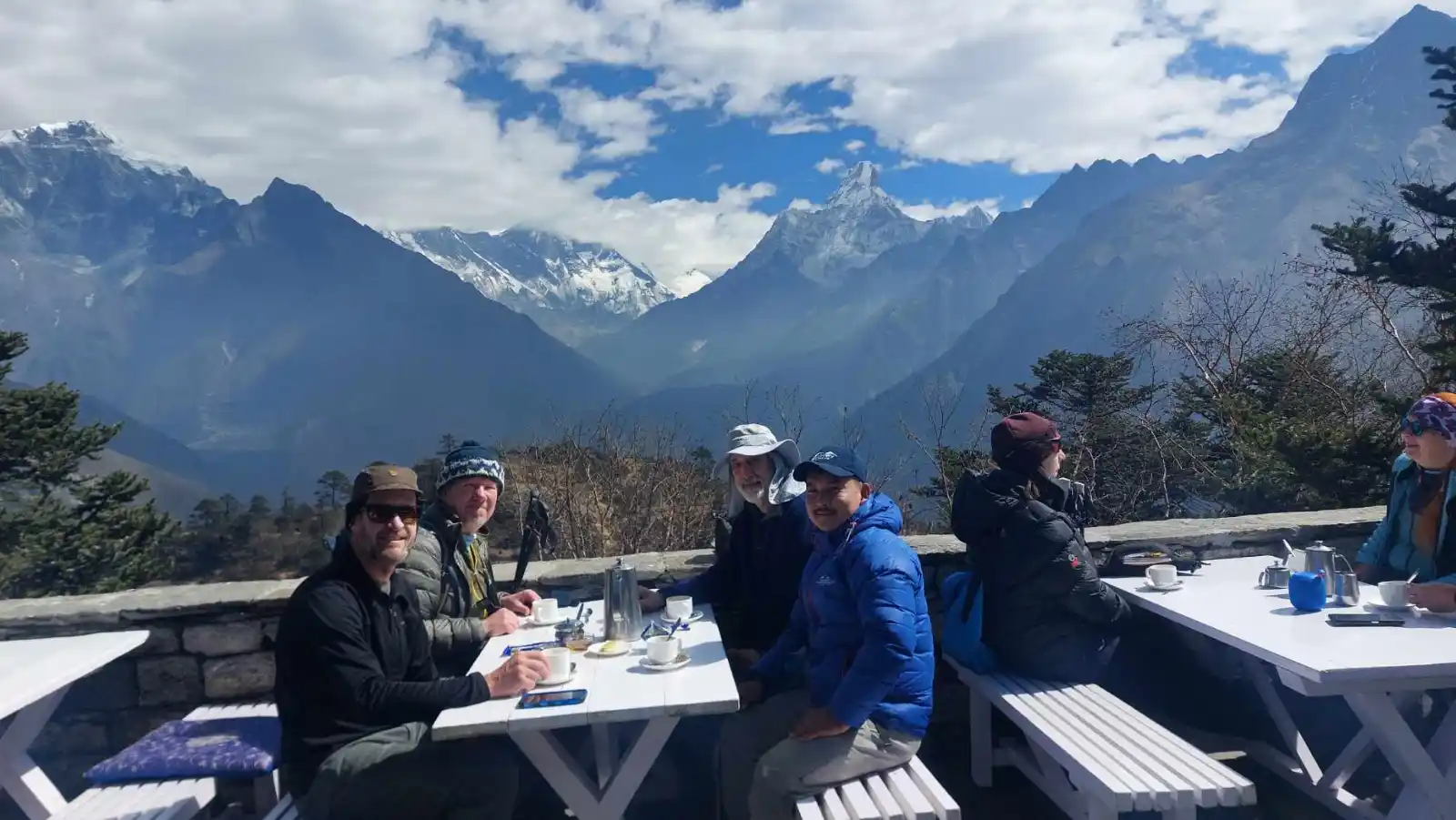
Today, you will take an acclimatization or rest day at Namche Bazaar. To follow the “climb high, sleep low” principle, you can take side hikes near the village. You can either hike to the Khumjung Village or the Everest View Hotel. You will hike uphill from Namche to the Syangboche Airstrip and then to the Everest View Hotel. With the altitude gain, the trail becomes more gradual and open. You can enjoy spectacular views of Mount Everest, Ama Dablam, and Lhotse. 

Returning from the side hike, you can explore around Namche Bazaar. The town is the trading hub of the Everest region and is also known as the “Sherpa Capital.” There are numerous cafes, shops, and restaurants in the area. You can explore around the town, its bustling markets, and narrow alleyways. Likewise, you can also rest while sipping warm tea in the cafes. You will spend the night in Namche Bazaar. 

Day 04 :

Trek from Namche Bazaar (3,440 m / 11,286 ft) to Pangboche (3,985 m / 13,074 ft)

Trek Distance

10-12 km/ 6-7.5 miles

Trek Duration

5-7 hours

Overnight Stay

Pangboche

Highest Altitude

3,985 m / 13,074 ft (Pangboche)

Meals

Breakfast, Lunch, and Dinner

Accommodation

Teahouse

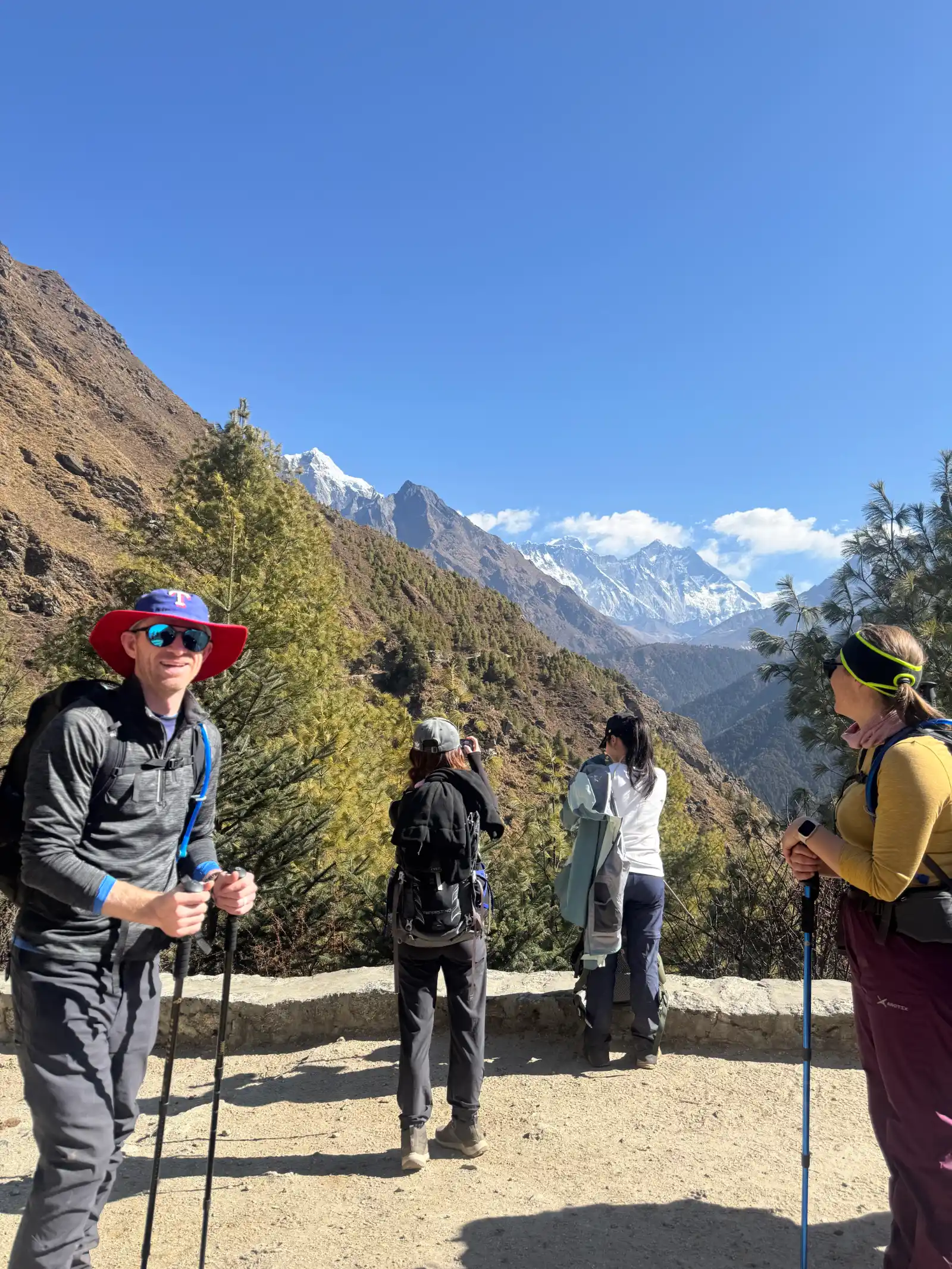
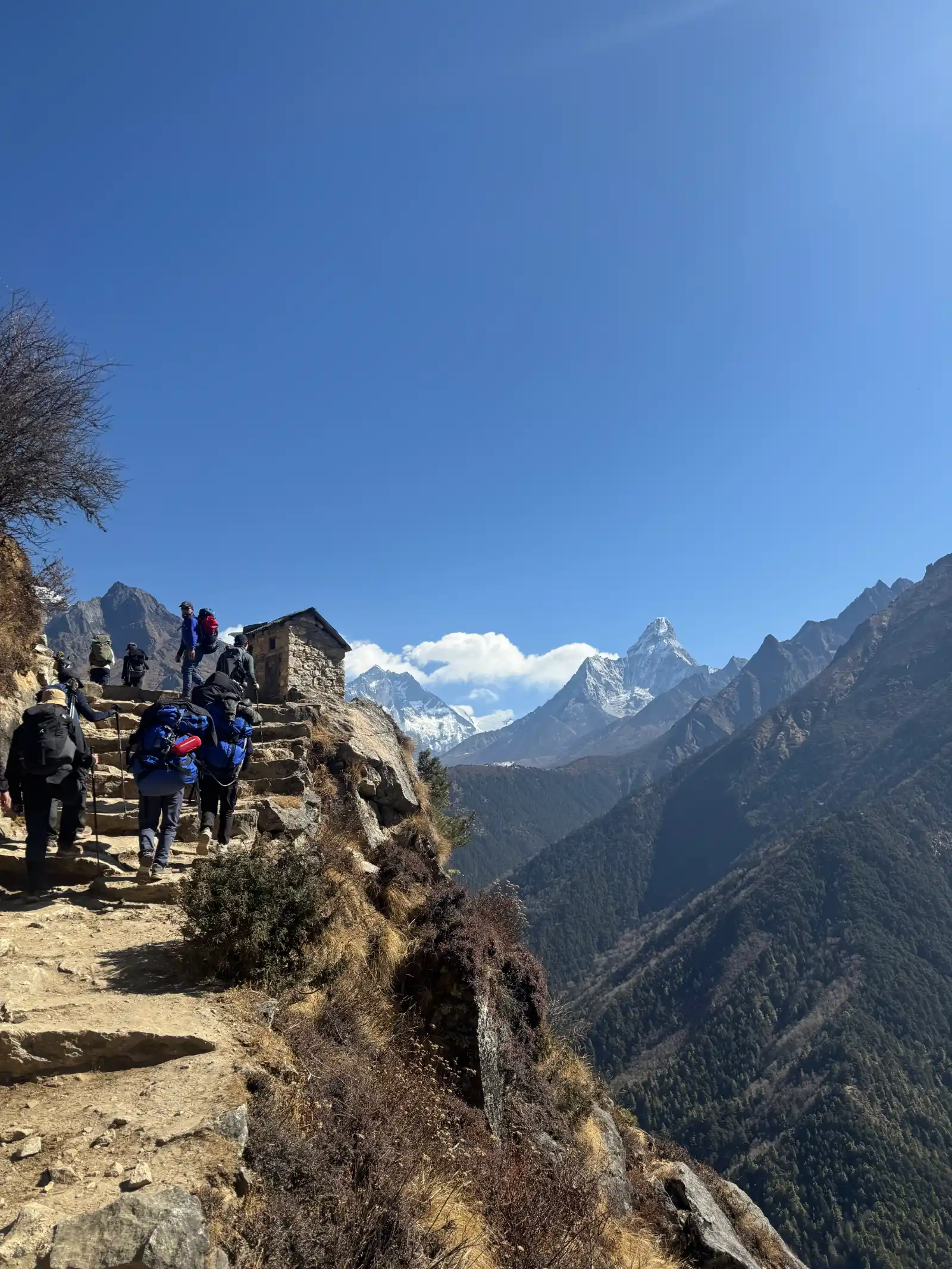
After an acclimatization day at Namche Bazaar, you will leave Namche Bazaar and head to Pangboche. It is one of the most scenic and rewarding days of our 9 Days Ama Dablam Base Camp Trek itinerary. You will start with a gentle uphill climb on a well-defined trail. It goes along the Dudh Koshi Valley. The path is mostly flat with slight ups and downs and occasional stone steps. Leaving Namche, the trail opens up and offers gorgeous views of Mount Everest above the ridges as well as Lhotse, Nuptse, and Ama Dablam. Then, you will start to make a steep descent toward the river at Phunki Tenga. 

The trail becomes narrow and rocky. You will descend on the winding path that goes through the forest of rhododendron and pine. Similarly, you will cross a suspension bridge over the Dudh Koshi River. Along the way, you will come across fluttering prayer flags, mani stones, prayer wheels, and chortens. Phunki Tenga is a small riverside settlement and popular tea stop. From here, you will start your long and steep climb to Tengboche. You will ascend continuously on stone steps and dirt terrain. As you climb higher, the forest starts to become thinner, and the view of the surrounding peaks begins to open. 

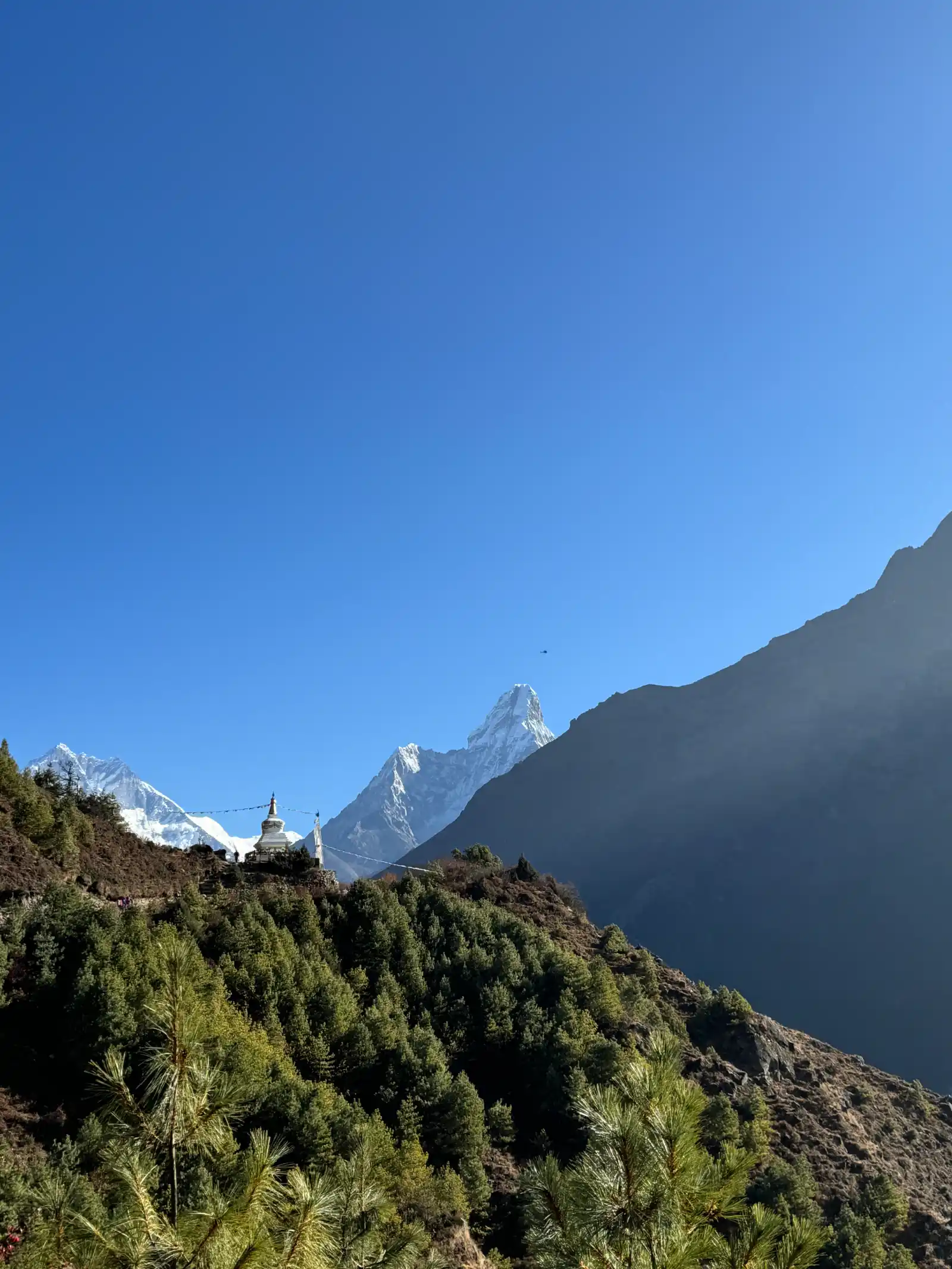
Finally, you will reach Tengboche, where you can immediately feel the peaceful, spiritual atmosphere. The famous Tengboche Monastery is located in the village, which you can visit. The trekking trail begins to descend from here, then ascends again. It opens to an alpine landscape, and you will start to trek in more dusty and exposed areas of the Everest region. For the final stretch, you will trek on an ascent on steep sections before reaching Pangboche. It is one of the oldest Sherpa villages and home to the oldest monastery in the Everest region, the Pangboche Monastery. You will stay overnight at a teahouse here. 

Day 05 :

Trek from Pangboche (3,985 m / 13,074 ft) to Ama Dablam Base Camp (4,570 m / 14,993 ft)

Trek Distance

6-7 km / 3.7-4.3 miles

Trek Duration

3-5 hours

Overnight Stay

Ama Dablam Base Camp

Highest Altitude

4,570 m / 14,993 ft (Ama Dablam Base Camp)

Meals

Breakfast, Lunch, and Dinner

Accommodation

Teahouse

Today is the most exciting day of the trek, as you will finally ascend to the Ama Dablam Base Camp. After breakfast in Pangboche, you will begin your gradual climb. The route diverges from the Everest Base Camp route, becoming narrower and off-beat.

It also becomes quieter, and the terrain turns rocky and more uneven. The landscape changes into yak pastures and fields surrounded by stone walls. There are fewer green trees, and you will trek past more open landscapes. As a result, the area is exposed to strong sun and wind. 

Midway through the trail, the vegetation becomes sparser. The trail also becomes steeper with loose rocks and boulders. You may also have to cross small streams. The path feels more natural and remote than the EBC trail. There are some faint sections of trail, but they are well marked. You will mostly trek through yak pastures and alpine meadows.

Prayer flags occasionally mark the trail to the Ama Dablam Base Camp. For the final section, you will make a steady ascent over rocky ridges and glacial debris. The zigzag trail becomes more barren and rugged. Finally, you will reach the Ama Dablam Base Camp that lies directly beneath Mount Ama Dablam. The view will leave you awe-struck. You will rest at the base camp, enjoying the surrounding scenery, tranquil atmosphere, and gorgeous sunset.

Day 06 :

Explore around Ama Dablam Base Camp (4,570 m / 14,993 ft) & return to Pangboche (3,985 m / 13,074 ft)

Overnight Stay

Pangboche

Highest Altitude

4,570 m / 14,993 ft (Ama Dablam Base Camp)

Meals

Breakfast, Lunch, and Dinner

Accommodation

Teahouse

Wake up early in the morning to witness a magical sunrise over the jagged peaks of Ama Dablam. When the first light of the sun hits the peak, it glows and turns golden. The surrounding Himalayan peaks also gradually emerge from the shadow. You can also get a close-up view of the hanging glaciers, ice walls, and ridge of the mountain. Likewise, you can also get panoramic views of the Imja Valley and surrounding mountains. The crisp and cold morning air, paired with the spectacular views, is one of the best moments of the 9 Days Ama Dablam Base Camp. 

After exploring the base camp in the morning, you will begin your descent toward Pangboche. You will descend on the same route that you ascended. The scenery feels familiar, and the barren landscape gradually changes back to green vegetation. Similarly, the trail becomes more defined. As you descend to a lower altitude, it becomes easier to breathe. You will rest overnight in Pangboche. 

Day 07 :

Trek from Pangboche (3,985 m / 13,074 ft) to Namche Bazaar (3,440 m / 11,286 ft)

Trek Distance

12-14 km / 7.5-8.7 miles

Trek Duration

5-7 hours

Overnight Stay

Namche Bazaar

Highest Altitude

3,985 m/ 113,074 ft (Pangboche)

Meals

Breakfast, Lunch, and Dinner

Accommodation

Teahouse

It is a long downhill trekking day today as you will retrace your steps back to Namche Bazaar. You will begin with a gradual descent through open alpine terrain. It is a gentle downhill trek to Debuche and crosses wooden bridges over small rivers. From Debuche, the landscape changes to lush green forests. You will have to make a brief uphill climb to Tengboche. 

From Tehgboche, the trekking trail descends steeply towards Phunki Tenga. The winding paths and stone steps go through the forest of rhododendron and pines. Although descending is easier than ascending, continuous downhill descending can put strain on your knees. You will reach Phunki Tenga, and you will make a steady uphill climb to Namche Bazaar. The terrain is mostly a mix of stone steps, dirt paths, and forest sections. You will stay overnight at Namche.

Day 08 :

Trek from Namche Bazaar (3,440 m / 11,286 ft) to Lukla (2,860 m / 9,383 ft)

Trek Distance

18-20 km / 11-12.5 miles

Trek Duration

6-8 hours

Overnight Stay

Lukla

Highest Altitude

3,440 m / 11,286 ft (Namche Bazaar)

Meals

Breakfast, Lunch, and Dinner

Accommodation

Teahouse

Today is the final trekking day on the 9 Days Ama Dablam Base Camp Trek itinerary. After breakfast, you will start your steep descent from Namche Bazaar. It takes you toward the Dudh Koshi Valley. Along the way, you can get clear views of Mount Kongde Ri and the surrounding hills. You will follow the familiar path towards Monjo, exiting the Sagarmatha National Park. 

Once again, you will cross several suspension bridges, including the famous Hillary Suspension Bridge. The route takes you through rocky paths and riverbank trails with short ascent and descent sections. Similarly, you will pass by familiar settlements like Phakding, Chheplung, etc. You will reach Lukla, your overnight stop. 

Day 09 :

Fly back to Kathmandu (1,324 m / 4,341 ft) / Manthali (474 m / 1,555 ft)

Overnight Stay

Kathmandu

road

Drive Distance

30-140 km/ 80-87 miles (in case of flight from Manthali)

Drive Duration

4-5 hours (in case of flight from Manthali)

Flight Hours

40 minutes (Kathmandu)/ 20 minutes (Manthali)

Highest Altitude

2,860 m/ 9,383 ft (Lukla)

Meals

Breakfast, Lunch, and Dinner

Accommodation

Hotel

You will take an early morning flight back to Kathmandu. During peak seasons, you may have to fly to Manthali Airport in Ramechhap and then drive to Kathmandu. During the flight, you can enjoy final aerial views of the snow-capped Himalayan ranges, river valleys, and landscapes.  

Upon reaching Kathmandu, your Ama Dablam Base Camp Trek journey comes to an end. If you want to extend your trip in Nepal or add short tours, please let us know, and we will make the necessary arrangements. Thank you for choosing Outbound Treks for your Himalayan adventure. We look forward to welcoming you again for more incredible journeys in Nepal!

Inclusions on Ama Dablam Base Camp Trek

  • Private vehicle pick-up and drop-off service between Kathmandu Airport and your hotel.
  • Round flight from Kathmandu/ Manthali to Lukla and vice versa
  • All teahouse accommodation during the trek (8 nights)
  • 1 Night hotel stay in Kathmandu
  • Standard meal (9 breakfasts, 9 lunches, and 9 dinners)
  • Seasonal fruits after dinner
  • Trek Permits (Sagarmatha National Park Entry Permit + Khumbu Pasang Lhamu Rural Municipality Permit)
  • Experienced English-speaking, government-licensed trekking guide
  • Porter (1 porter for two trekkers), max weight limit is 18 kg (9 kg per trekker)
  • Full coverage of wages, meals, lodging, transport, insurance, and gear for guides and porters
  • Trek map
  • Oxygen saturation check every day
  • Water purification tablets
  • Trek completion certification
  • Trekking briefing before departure
  • First aid medical kit carried by the guide
  • Sleeping bags, down jackets, and a duffel bag (one for every two trekkers)
  • Farewell dinner at the end of the trek
  • All government, local taxes, and official expenses

Ama Dablam Base Camp Trek Excludes

  • Hotel accommodation and meals in Kathmandu
  • International flight ticket
  • Nepal tourist visa fees
  • Travel insurance (Mandatory and must include high-altitude emergency and helicopter evacuation coverage)
  • Tips for guides, porters, and staff  (It is appreciated)
  • Personal expenses of all forms (alcoholic drinks, bottled water, hot shower, charging devices, snacks, desserts, laundry, Wi-Fi, phone calls, etc.)

Make Your Journey Private

Experience Nepal exactly the way you imagined it. Our private trips are crafted with complete flexibility with your dates, your pace, your preferences. Whether you want a slow cultural immersion, a scenic road journey.

Additional Information

Can I Combine Ama Dablam with the Everest Base Camp Trek?

Yes, you can combine Ama Dablam with the Everest Base Camp Trek. The trail to the Ama Dablam Base Camp follows the classic EBC trail up to Pangboche. So, you can take a side trip to the base camp and return to the main trail before continuing to Everest Base Camp. Combining the two treks will require additional days, including acclimatization days. However, it makes the journey more thrilling and adventurous.

When you combine Ama Dablam Base Camp with the EBC Trek, you will get a complete Himalayan experience. Similarly, you will get to trek on the busy, classic trail of EBC as well as the quieter and off-the-beaten route to the Ama Dablam Base Camp. In a single trek, you can enjoy both the iconic trek and the hidden gem of the Everest region. You can enjoy spectacular views of Mount Everest, Lhotse, Nuptse, and Ama Dablam from close range. From the iconic viewpoints of Everest Base Camp (5,364 m) and Kala Patthar (5,550 m), you can witness these snow-capped giants in a fresher perspective from Ama Dablam Base Camp (4,570 m). The trek also becomes more immersive when you combine these two adventures.

While combining these two treks is more rewarding and adventurous, you have to consider factors such as your fitness level and acclimatization. First, the additional trekking days make it physically more demanding. The trek duration can extend from 14 to 16 days. Additionally, the daily trekking hour is between 5 and 7 hours. It is important to assess your fitness level and prepare for the combined trek accordingly. Likewise, you will be trekking at an altitude of 5,000 m. It increases the risk of altitude sickness, so you may need to take an optional acclimatization day in Dingboche. If you are a beginner, it is highly recommended.

Overall, combining the Ama Dablam Base Camp with the Everest Base Camp Trek is highly recommended. It is the best way to get an authentic taste of Himalayan trekking. It is suitable for trekkers with reasonable fitness and proper preparation. They must be physically and mentally prepared for a more demanding trek with longer duration and hours.

Ama Dablam Base Camp Trek Route Variations

One of the best things about choosing the Ama Dablam Base Camp Trek is its route variation. Compared to other destinations with a single standard route, it offers several route variations. It makes Ama Dablam a flexible destination, offering a mix of scenery and refreshing experiences. Here are the two route variations to the Ama Dablam Base Camp:

Classic Route via Tengboche

Lukla → Phakding → Namche Bazaar → Tengboche → Pangboche → Ama Dablam Base Camp

The most popular Ama Dablam Trek route is the classic route via Tengboche. It follows the main Everest  Base Camp trail. You will have an acclimatization day in Namche, with gradual elevation gain. Similarly, the classic route offers an excellent balance of thrill with scenic and cultural experiences. It is a perfect route, especially for first-time trekkers and those who want to combine the Ama Dablam Trek with the Everest Base Camp.

Route via Khumjung & Everest View Hotel

Lukla → Phakding → Namche Bazaar → Khumjung → Kunde → Everest View Hotel → Tengboche → Pangboche → Ama Dablam Base Camp

The second route to the Ama Dablam Base Camp follows the classic route to Namche Bazaar. From here, you will take a side trip to Khumjung, an authentic and traditional Sherpa village. The village is home to monasteries like the age-old Khumjung monastery, with its mysterious yeti scalp, and the famous Hillary School. Likewise, you will also get to visit one of the world’s highest hotels, the Everest View Hotel (3,880 m). The hotel is also an excellent vantage point to take in the surrounding panoramas. The trail is quieter than the classic route, but the cultural immersion is deeper. It is a perfect alternative for trekkers who prefer a more tranquil, immersive trek. Additionally, it is ideal for photographers as the route takes you past spectacular viewpoints.

Micro-Terrain Analysis of Ama Dablam Base Camp Trail

During the 9 Days Ama Dablam Base Camp Trek, you will go through diverse micro-terrain. You might wonder whether it matters? The answer is, “yes.” The micro-terrain influences the walking conditions, difficulty, and scenery. The trail is not uniform and changes with elevation, from lush forests to exposed ridges and into alpine terrain. Analyzing the micro-terrain helps you understand how it changes throughout the journey and plan your pace accordingly. Here are the different micro-terrains that you will walk on during the journey:

Forest section (Lukla to Tengboche)

The lower Ama Dablam Base Camp Trekking trail, specifically from Lukla to Tengboche, goes through forests of rhododendron, pine, and fir. You will trek on a well-defined trail with occasional stone steps. The trail ascends gradually, and along the way, you will have to cross several rivers over suspension bridges. You will mostly trek along moist, shaded trails through mixed forests.

The lower terrain is bustling with trekkers heading to different routes of the Everest region, including Everest Base Camp. Since there are lush forests in these areas, you have higher chances of encountering rich biodiversity and vibrant culture. It is also easier to walk through these sections. Due to the abundance of vegetation, the oxygen levels are higher. Trekking through forest terrain provides a gentle warm-up for the Ama Dablam Base Camp Trek.

Ridge section (Tengboche to Pangboche)

The landscape changes from lush forests to ridge sections as you gradually ascend to the higher elevations. From Tengboche, the lush forest opens onto ridgelines and valley-side trails. The vegetation becomes thinner, and the landscape changes to alpine meadows. Similarly, the paths narrow in places with exposed sections. The terrain is mostly dry and dusty with occasional rocky steps.

The area from Tengboche to Pangboche is exposed to the sun and wind. Hence, the terrain is also dry and rugged. The altitude gain and thin vegetation result in lower oxygen levels. You might start noticing difficulty in breathing. Even small steps start to become more demanding than in the forest section. The crowd also starts to get thinner as you move away from the main Everest Base Camp trail.

Glacial/ Alpine section (Pangboche to Ama Dablam Base Camp)

The terrain from Pangboche starts to get more barren and rugged. You will start trekking on glacial moraine and glacial debris. The vegetation is sparse, and the landscape is mostly alpine. You will trek on loose stones and rocky terrain, so careful footing is required. The ascent is also steep, so it becomes physically and mentally more challenging. The cold, dry wind sweeps over the arena, further adding to the challenge.

Trekking on the glacial and alpine micro-terrain feels slow and increasingly demanding. You will also start to feel more fatigue and discomfort. Some trekkers may also experience altitude-related sickness. However, the mountain views become closer and more raw. You can see the iconic southwest face of Ama Dablam up close. The atmosphere also feels quieter and more remote, with very few trekkers.

Why Many Trekkers Skip Ama Dablam Base Camp and Why You Shouldn’t

Although Ama Dablam is one of the most iconic Himalayan peaks in the Everest region, many skip the trek to the base camp. The reason why many trekkers skip the Ama Dablam Base Camp is as follows:

  • Some trekkers skip the Ama Dablam Base Camp Trek simply because they are unaware of it. Many trek agencies may not suggest it unless asked. So, trekkers may not realize that the base camp is accessible and a rewarding adventure.
  • The Ama Dablam Base Camp requires you to trek away from the main trail and take on a steep side trek. It is rocky, rugged, and more remote. As a result, most trekkers focus on the Everest Base Camp, and they skip the detour.
  • Trekkers will face physical and altitude challenges as they begin to ascend to 4,570 m. The oxygen level also drops significantly. Hence, many trekkers prioritize conserving energy for treks like EBC or Kala Patthar.
  • Most trekkers strictly stick to the main trail and avoid side trips. They follow fixed itineraries and see the Everest Base Camp as the once-in-a-lifetime goal.
  • The limited infrastructure, with no network of teahouses on the Ama Dablam Base Camp, may discourage trekkers who do not like remote areas or inconvenience.

However, by skipping the Ama Dablam Base Camp Trek, you are passing up on one of the finest viewpoints in the Everest region. Here are the top reasons why you shouldn’t skip this incredible trek:

  • You will stand right beneath Mount Ama Dablam. Therefore, you can enjoy a spectacular view of the mountain’s southwest face. It is one of the most popular peaks in the region and also one of the most photographed mountains in Nepal.
  • Sunrise and sunsets from the base camp are especially beautiful. At sunrise, the soft golden light illuminates the mountain, changing its color from pink to gold and white. On the other hand, you can witness fiery alpenglow on Mount Ama Dablam. The deep shadows and the glow create a magical scenery and a memorable experience.
  • The beautiful, raw landscapes and close-up views of the jagged mountain peak create a dream setting for photographers. Similarly, the changing light conditions throughout the day transform the scenery every hour. It changes from soft morning hues to fiery sunset.
  • It is a perfect off-the-beaten-path and less-crowded Himalayan trek experience. The trail from Pangboche feels tranquil, and you can enjoy absolute solitude. It gives the trek a sense of authentic wilderness. The Ama Dablam Base Camp Trek offers an escape from the crowded and busy trail.
  • Ama Dablam Base Camp Trek offers a deep, emotional, and rewarding experience. It offers a moment of reflection away from the crowds and busy life schedule. You will get to connect with the Himalayas and the tranquil atmosphere.

Ama Dablam Base Camp Trek Common Questions

Travel Tips, Stories, & Guides

Travel guides, trekking stories, and blogs from Outbound Treks.

Connect with Hari Gurung

Your Trek Starts with a Conversation

Our founder started working as a porter at 17. Today, he leads a local trekking team with nearly 15 years of guiding experience. We know these trails through years of work, and we’d love to help you plan your trek in Nepal.